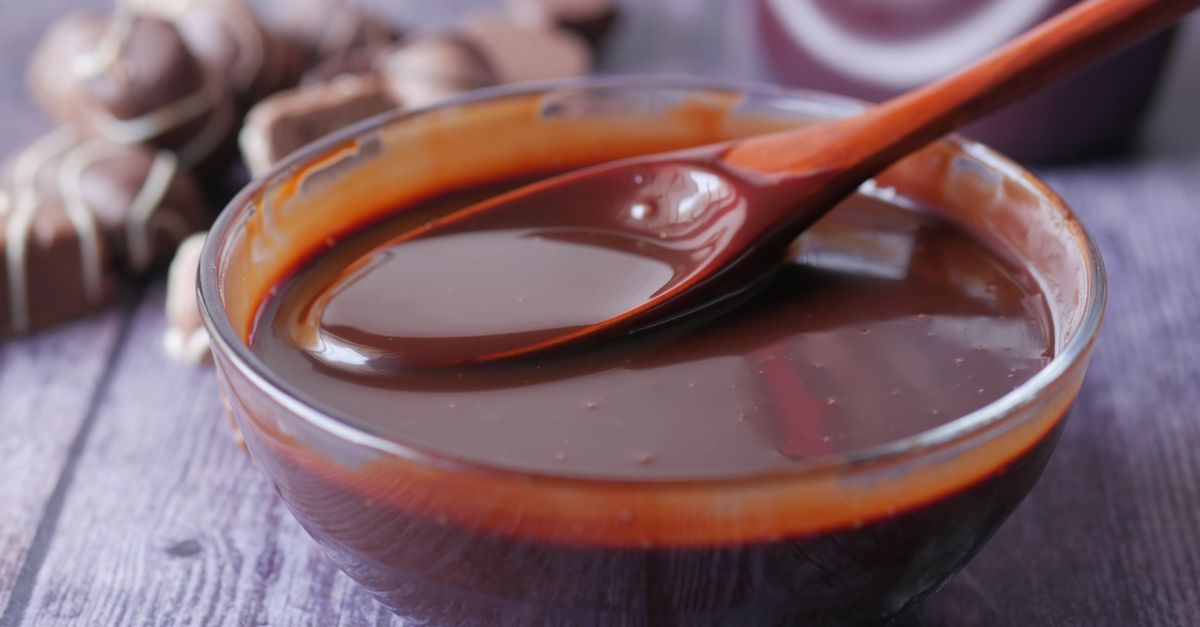
Why Your Homemade Sauces Are Too Thin and Lackluster (And The Pro Secrets for Rich, Velvety Perfection Every Time)
Are you tired of your homemade sauces tasting thin, watery, or just… meh? You spend time simmering, stirring, and tasting, only to end up with a sauce that simply doesn’t deliver that restaurant-quality richness and velvety texture. Perhaps your béchamel breaks, your tomato sauce lacks oomph, or your pan sauce never quite thickens. I’ve been there, staring into a pot of what should be a luscious gravy, only to see a watery, uninspired liquid staring back.
In my journey through mindful cooking and creating truly satisfying home-cooked meals, I’ve come to realize that the difference between a decent sauce and an absolutely sublime one often lies in a few key, often overlooked, techniques. It’s not about expensive ingredients or complicated recipes; it’s about understanding the science and art of building flavor and texture. The mistake I see most often is a surface-level approach to thickening and seasoning, missing the foundational steps that transform a simple liquid into a cohesive, flavorful embrace for your dish. What changed everything for me was shifting my focus from merely adding a thickener at the end to integrating thickening and flavor-building into every stage of the cooking process.
Key Takeaways
- Embrace reduction as your primary flavor and thickening method, concentrating liquids deeply before adding other elements.
- Master the art of the roux and slurry for intentional, stable thickening, understanding when and how to properly incorporate them.
- Build umami from the beginning with aromatics and strategic additions to create a profound flavor base, not just surface-level seasoning.
- Prioritize emulsification in creamy sauces to achieve a stable, luxurious texture that won’t break or separate.
- Utilize acid and fat strategically at different stages to enhance flavor, brighten the sauce, and achieve desired mouthfeel.
The Overlooked Power of Reduction: Concentrating Flavor, Not Just Liquid
Most home cooks, myself included in my early days, reach for a cornstarch slurry or a pat of butter at the end to thicken a sauce. While these have their place, relying solely on them misses the most fundamental and potent thickening and flavor-building technique: reduction. Reduction is the process of simmering a liquid to evaporate water, thereby concentrating its flavors and naturally thickening its consistency. It’s the secret weapon of professional kitchens, and it should be yours too.
In my experience, the biggest mistake is not reducing enough, or not reducing early enough. Imagine you’re making a pan sauce after searing chicken. Many people will deglaze with broth and then immediately try to thicken it. Instead, after deglazing, let that liquid simmer until it’s reduced by at least half, or even two-thirds, before you even think about adding anything else. This intensely concentrates the fond (those delicious browned bits) from the pan, the wine, and the stock, creating a foundational flavor bomb that simply cannot be achieved with just a quick simmer.
For example, when I make a mushroom sauce, I’ll first sauté the mushrooms until all their liquid releases and then fully evaporates, letting them brown deeply. Then, when I add wine or stock, I’ll let it reduce until it’s almost syrupy, clinging to the back of a spoon. Only then do I consider adding cream or a final thickening agent. This layered approach ensures that every drop of sauce is packed with concentrated flavor, giving it an inherent richness that even a lot of added thickener couldn’t replicate.
Actionable Insight: Make reduction your first and primary thickening strategy. Dedicate 10-20 minutes, or even longer, depending on the volume, to slowly simmering your liquids until they’ve visibly thickened and their aroma is intensely concentrated. This not only thickens but deepens the flavor profile, making any subsequent thickening efforts far more impactful.
Mastering Intentional Thickeners: Roux, Slurry, and Beyond
While reduction is foundational, there are times when you need additional, intentional thickening. This is where a proper understanding of agents like roux, slurry, and even beurre manié comes in. The problem isn’t using them; it’s using them incorrectly or at the wrong stage, leading to lumps, a pasty texture, or a sauce that breaks.
Roux (Flour and Fat): A roux is equal parts fat (butter, oil, or rendered pan drippings) and flour, cooked together. It’s the backbone of classic gravies, béchamel, and many creamy sauces. The key is to cook the flour sufficiently to eliminate its raw, floury taste. A white roux (cooked for a minute or two) is perfect for light sauces, while a darker roux (cooked longer, to a peanut butter or chocolate color) offers a nutty flavor for gumbos or richer gravies. The mistake I often observe is adding liquid too quickly or too cold to a hot roux, leading to lumps. Instead, ensure your liquid is at least warm, and add it gradually while whisking constantly. When I make mac and cheese, I always start with a medium roux, whisking in warm milk slowly to create a perfectly smooth, velvety base.
Slurry (Starch and Cold Liquid): A slurry, typically cornstarch or arrowroot powder mixed with an equal amount of cold water or broth, is excellent for thickening sauces at the end of cooking, especially Asian-inspired stir-fry sauces or fruit sauces, as it creates a clear, glossy finish. The trick is to always mix the starch with cold liquid before adding it to your hot sauce, preventing lumps. Add it gradually, whisking constantly, and allow the sauce to simmer for a minute or two after adding to reach its full thickening potential and cook out any raw starch flavor. If you add it to a boiling sauce, it will clump immediately.
Beurre Manié (Butter and Flour): Similar to a roux but not cooked, beurre manié is a kneaded paste of equal parts softened butter and flour. It’s designed to be whisked into simmering sauces at the very end to provide a quick, last-minute thickening and a glossy finish, often used in classic French sauces. Because the flour isn’t cooked, it’s best for small adjustments and sauces that won’t be simmered for long after its addition.
Actionable Insight: Understand the characteristics of each thickener. Use a roux for foundational, opaque sauces, ensuring proper cooking of the flour and gradual addition of warm liquid. Reserve slurries for quick, clear, glossy thickening at the end of cooking, always mixing starch with cold liquid first. Use beurre manié for last-minute richness and a slight boost in body.
The Umami Factor: Building Depth from the Ground Up
A sauce can be thick, but if it lacks a profound, savory depth – what we call umami – it will still taste flat and uninspired. Many home cooks season at the end, but true depth comes from building umami and flavor layers from the very beginning. This isn’t just about salt and pepper; it’s about strategic ingredient choices and cooking techniques.
Think about the base of your sauce. Are you starting with just butter and flour, or are you infusing flavor from the get-go? When I make a hearty bolognese, for instance, the foundational step isn’t just browning the meat. It’s the slow, patient sautéing of mirepoix (carrots, celery, onion) until they are deeply caramelized and sweet, releasing their aromatic compounds. This alone creates a layer of umami.
Then consider ingredients rich in natural glutamates: mushrooms (especially dried ones rehydrated), tomatoes (especially paste, slow-roasted, or sun-dried), parmesan rinds simmered in the sauce, anchovy paste (it dissolves completely and adds pure savory depth without a fishy taste), soy sauce, or even a dash of Worcestershire sauce. These aren’t just additives; they are flavor enhancers that amplify the natural savory notes of your other ingredients.
What changed everything for me was learning to use tomato paste not just as a tomato flavor, but as a umami builder. When making a red sauce, I’ll cook the tomato paste in the pan with the aromatics for a few minutes until it darkens slightly, concentrating its sugars and deepening its flavor before adding any liquids. This small step makes a monumental difference in the final sauce’s richness.
Actionable Insight: Don’t wait until the end to season. Build umami from the start by deeply browning aromatics, meats, or vegetables. Incorporate ingredients naturally rich in glutamates like tomato paste (cooked until slightly caramelized), mushrooms, parmesan rinds, or a touch of anchovy paste into your sauce base to create a robust and deeply savory foundation.
The Art of Emulsification: Achieving Velvety Smoothness Without Breaking
Many of the most beloved sauces – hollandaise, mayonnaise, vinaigrettes, or even creamy pan sauces – rely on emulsification. An emulsion is a stable mixture of two liquids that normally don’t mix, like oil and water, or butter and a watery liquid. When an emulsion breaks, you get separation, a greasy sheen, and a sauce that loses its luxurious, velvety texture. This is a common point of frustration for many home cooks.
For pan sauces that finish with butter or cream, a common mistake is adding the fat too early or at too high a heat. Instead, once your liquid base is reduced and intensely flavored, remove the pan from the direct heat or turn it down to very low. Then, whisk in cold butter (cut into small pieces) one piece at a time. The cold butter helps to cool the sauce slightly, and whisking it in slowly allows the fat to be dispersed evenly throughout the liquid, creating a stable emulsion and a glossy, smooth finish. This technique, called monter au beurre in French cuisine, adds richness and body without making the sauce overly thick.
With hollandaise or mayonnaise, the key is even more precise: gradually drizzling in the fat (clarified butter or oil) in a very thin stream while constantly whisking. The egg yolks act as the emulsifier, holding the fat and liquid together. Too fast, or too cold, or too hot, and it will break.
What truly transformed my creamy sauces was understanding the role of temperature. When incorporating cream into a reduced stock, I ensure both are warm but not boiling. A rapid boil can cause cream to curdle or thin out. A gentle simmer after adding cream, allowing it to reduce slightly, will yield a silkier texture.
Actionable Insight: For creamy or butter-finished sauces, pay close attention to temperature and gradual incorporation. Whisk cold butter into a hot, but not boiling, reduced sauce off the heat for a glossy, stable emulsion. When using cream, ensure both liquids are warm and simmer gently to avoid breaking or thinning.
The Strategic Use of Acid: Brightening and Balancing Flavor
Often, a sauce that tastes ‘flat’ or ‘heavy’ simply needs a touch of acid. Acid is a flavor enhancer and a balancing agent, cutting through richness, brightening flavors, and adding a crucial layer of complexity. The mistake is often neglecting it entirely or adding too much at once, leading to an overly tart sauce.
Think about what a squeeze of lemon does for a rich fish dish, or a splash of vinegar does for a heavy stew. It’s the same principle for sauces. A perfectly rich brown sauce can become truly exceptional with a tiny splash of sherry vinegar or balsamic vinegar at the very end. A creamy tomato sauce benefits immensely from a touch of red wine vinegar or a squeeze of fresh lemon juice.
In my kitchen, I keep a variety of acids handy: lemon juice, lime juice, apple cider vinegar, red wine vinegar, sherry vinegar, and even a good quality balsamic. I’ll add a tiny splash – sometimes just a teaspoon – taste, and then adjust. The goal isn’t to make the sauce taste sour, but to awaken and lift the other flavors. For example, when making a rich pan sauce with beef, I’ll often deglaze with red wine and reduce it, but then at the very end, I’ll add a tiny bit of red wine vinegar. This brightens the sauce and makes it less one-note. It’s the difference between a sauce that sits on the plate and one that dances on the palate.
Actionable Insight: Always finish your sauces with a strategic touch of acid. A squeeze of lemon juice, a splash of wine vinegar, or even a tiny amount of high-quality balsamic can cut through richness, brighten flavors, and balance the overall profile of your sauce. Add sparingly and taste as you go.
The Role of Fat Beyond Thickening: Mouthfeel and Flavor Delivery
Fat is more than just a thickener or a cooking medium; it’s a critical component for mouthfeel and flavor delivery. A sauce that lacks sufficient fat, or has too much of the wrong kind, can feel insipid or greasy. The right amount and type of fat provide richness, silkiness, and helps carry volatile flavor compounds to your palate.
Consider your cooking fats. Olive oil, butter, bacon fat, rendered chicken fat – each brings its own unique flavor profile and physical properties to a sauce. When making a simple pasta sauce, starting with good quality olive oil infused with garlic and chili flakes immediately establishes a rich foundation. If I’m building a creamy sauce, butter is my go-to for its emulsifying properties and flavor.
The misconception is that fat is solely for richness. While true, it also coats the palate, allowing flavors to linger and develop more fully. A sauce with balanced fat will feel smooth and substantial in your mouth, not watery or greasy. For instance, when I make a simple pesto, the quality and quantity of the olive oil are paramount. It binds the basil, cheese, and nuts, creating that characteristic luxurious texture and ensuring the vibrant flavors truly shine. Too little oil, and it’s dry and pasty; too much, and it’s slick and overwhelming.
Actionable Insight: Treat fat as a flavor and texture enhancer, not just a cooking medium. Select fats that complement your sauce’s flavor profile. Use fat strategically throughout cooking and as a finishing agent (like monter au beurre) to achieve desired mouthfeel and ensure flavors are fully expressed and linger pleasantly on the palate.
The Power of Patience and Tasting: The Unsung Heroes of Great Sauce Making
Finally, and perhaps most crucially, the true secret to rich, velvety sauces lies in patience and constant tasting. I’ve learned that rushing a sauce is almost always a recipe for mediocrity. A great sauce is developed, not merely assembled.
Patience applies at every stage: allowing aromatics to soften deeply, letting meats brown thoroughly to develop fond, and most importantly, giving reductions ample time to concentrate. It’s tempting to crank up the heat and speed things along, but a rapid boil can lead to scorching, evaporation that outpaces flavor development, or even a sauce that breaks.
And tasting – oh, the tasting! – is non-negotiable. Taste your sauce at every significant stage: after sautéing aromatics, after deglazing, during reduction, after adding thickeners, and crucially, after seasoning and adding any finishing acids. What might taste perfectly balanced as a spoonful on its own needs to be considered in the context of the dish it will accompany. Does it need more salt? A dash of pepper? A hint of sweetness to balance the tartness? A touch more acid to brighten it? It’s an iterative process of adjustment and refinement.
What changed everything for me was embracing the idea that sauce-making is a conversation between me and the ingredients, guided by my palate. Instead of following a recipe slavishly, I now use recipes as guides, always tasting and adjusting until the sauce hums with flavor and has the perfect consistency. This mindset shift transforms cooking from a task into a creative, satisfying endeavor.
Actionable Insight: Cultivate patience throughout the sauce-making process, especially during reduction and simmering stages, allowing flavors to meld and deepen slowly. Most importantly, taste your sauce frequently at every stage, adjusting seasoning, acidity, and consistency incrementally until it reaches perfection. This iterative process is the ultimate key to a truly rich and velvety sauce.
Frequently Asked Questions
Q: My sauce always turns out lumpy. What am I doing wrong?
A: Lumpy sauces are usually due to two common mistakes when using flour or starch: adding it directly to hot liquid, or not whisking thoroughly. For flour (like in a roux), ensure you cook it with fat first, then slowly whisk in warm liquid. For starches (like cornstarch), always dissolve them completely in a cold liquid first to create a slurry, then gradually whisk that slurry into your hot sauce. Always whisk constantly as you add either, ensuring even distribution and preventing clumps from forming.
Q: How can I fix a sauce that’s too thin without adding more thickeners?
A: Your first and best option is reduction. Simmer the sauce gently (not a rolling boil) uncovered, allowing the excess water to evaporate and the flavors to concentrate. This will naturally thicken the sauce while deepening its taste. If it’s a creamy sauce, ensure it’s not boiling rapidly, as this can thin cream. If reduction isn’t enough, then consider a small, properly made slurry or a bit of beurre manié for final adjustments.
Q: My sauce tastes bland even after I’ve seasoned it. What can I add?
A: Blandness often comes from a lack of depth and umami, or insufficient balancing elements. First, ensure you’ve built a strong flavor base (deeply caramelized aromatics, reduced liquids). Then, consider adding ingredients rich in umami like cooked tomato paste, a dash of soy sauce, Worcestershire sauce, rehydrated dried mushrooms, or a simmering parmesan rind. Finally, add a touch of acid (lemon juice, vinegar) at the end to brighten and lift the flavors, making everything more vibrant.
Q: Why does my creamy sauce sometimes curdle or separate?
A: Creamy sauces typically curdle or separate due to high heat, sudden temperature changes, or prolonged boiling. To prevent this, add dairy (cream, milk) only after other liquids have been reduced. Ensure the dairy is at room temperature or warmed slightly before adding to a hot sauce. Once dairy is added, maintain a gentle simmer and avoid rapid boiling. Whisking in a small amount of cold butter at the very end (monter au beurre) can also help stabilize and enrich the emulsion, preventing separation.
Q: Can I use butter as a thickener, and if so, how?
A: Yes, butter can add richness and a slight thickening effect through emulsification. The technique is called monter au beurre. After your sauce base is reduced and off the direct high heat (or on very low), whisk in small, cold cubes of butter one at a time. The cold butter helps to create a stable emulsion, adding gloss, body, and richness without using a starch. This method is best for finishing sauces and doesn’t create a thick gravy-like consistency but rather a luxurious, velvety mouthfeel.
Achieving truly rich, velvety sauces in your home kitchen is not an impossible feat reserved for professional chefs. It’s a journey of understanding foundational culinary principles, embracing patience, and trusting your palate. By focusing on deep reduction, mastering intentional thickeners, building umami from the ground up, perfecting emulsification, and strategically using acid and fat, you’ll transform your sauces from merely acceptable to absolutely unforgettable. So, next time you step into the kitchen, remember these pro secrets. Taste often, cook patiently, and savor the rich, velvety perfection you create. Your taste buds will thank you.
Written by Marcus Thorne
Home organization and mindful living
A design consultant who applies principles of efficiency and user experience to daily life challenges.
You Might Also Like
Why Your Homemade Cookies Are Flat (And The Simple Fixes That Guarantee Perfect, Puffy Results Every Time)
Tired of flat, lifeless cookies? Discover the overlooked mistakes ruining your bake and the simple fixes for perfectly puffy, chewy cookies every time.
Why Your Homemade Cookies Are Flat (And The Simple Fixes That Guarantee Perfect, Puffy Results Every Time)
Tired of flat, lifeless cookies? Discover the overlooked mistakes sabotaging your baking and get perfect, puffy cookies every time.

Why Most Budget Home Security Cameras Fail (And What Actually Works for Real Peace of Mind)
Budget home security cameras often disappoint. Discover why cheap options fail and the layered strategy that actually delivers peace of mind.