Why Most Budget Home Security Systems Disappoint and Overlook Real Protection
The promise of a budget home security system is seductive: peace of mind without breaking the bank. You envision a few strategically placed cameras, maybe some door sensors, and a smartphone app that alerts you to any suspicious activity. The reality, in my experience, is often a frustrating cycle of false alarms, missed events, and a persistent underlying feeling of insecurity. I’ve walked this path myself, lured by glowing reviews of affordable kits, only to discover that ‘budget-friendly’ often translates to ‘compromised security.’
What changed everything for me was realizing that a true home security system isn’t just about detecting an intruder; it’s about deterrence, detection, and response. Most budget systems excel at none of these in a meaningful way, leaving critical gaps that actual threats can exploit. The mistake I see most often is treating security like a one-time purchase, rather than a layered strategy. After multiple frustrating incidents—including a package theft that went unrecorded because the ‘motion detection’ was too slow, and a night of constant phantom alerts from wind-blown branches—I completely rethought my approach. This isn’t about expensive, professional installations; it’s about understanding where budget systems fall short and how to build genuine, effective security without draining your savings.
Key Takeaways
- Budget systems often lack robust video analytics, leading to excessive false alarms or missed critical events.
- Relying solely on Wi-Fi for connectivity creates a single point of failure that can be easily exploited.
- The siren and notification features in many affordable systems are often too weak to deter or effectively alert neighbors.
- Local storage, when available, is frequently insecure and prone to theft along with the recording device itself.
- Integration with other smart home devices is often limited, preventing a cohesive, responsive security ecosystem.
Weak Motion Detection Leaves Your Property Vulnerable
The biggest frustration with most budget security cameras, in my experience, comes down to their motion detection capabilities. They often rely on basic pixel changes, which means every swaying branch, passing car, or even a sudden change in lighting triggers an alert. This isn’t just annoying; it creates notification fatigue, making you far less likely to respond to a genuine threat. I spent weeks adjusting sensitivity settings, creating ‘activity zones’ that were supposed to ignore my driveway, only to still get alerts for shadows and miss the critical moment a delivery driver left a package. The consequence? I started ignoring alerts altogether, which is precisely what you don’t want from a security system.
What’s missing is sophisticated video analytics. Higher-end systems use AI to differentiate between people, animals, and vehicles, significantly reducing false alarms. While you might not get this on a $50 camera, you can often improve detection by choosing cameras with PIR (Passive Infrared) sensors, which detect heat signatures and are less prone to environmental triggers. Furthermore, positioning is critical. Instead of aiming at a wide-open space, focus your camera on entry points, keeping the primary detection zone free of trees or busy streets. My shift to cameras with better human detection, even if they cost slightly more, drastically reduced false positives and made my system actually useful.
Single-Point Connectivity Creates Glaring Security Gaps
Many budget systems operate entirely on your home Wi-Fi network. While convenient to set up, this creates a major single point of failure. If your Wi-Fi goes down, so does your entire security system. An intruder can simply cut your power, jam your Wi-Fi signal, or even just wait for a common internet outage, and your ‘secure’ home becomes completely vulnerable. I learned this the hard way during a planned power outage for neighborhood maintenance; my security cameras and door sensors were offline for hours, and I realized how exposed my home was during that time.
Effective security requires redundant connectivity. Look for systems that offer a cellular backup option. This means if your Wi-Fi fails, the system can still transmit alerts via a cellular network. Even better are systems that incorporate Z-Wave or Zigbee protocols for sensors, which create a mesh network that’s more robust and energy-efficient than Wi-Fi alone. This isn’t about getting a professional alarm company; it’s about choosing components that communicate through multiple channels. My decision to invest in a hub with cellular backup, even if it came with a small monthly fee, transformed my confidence in the system’s reliability, knowing it would still function even if my internet connection was compromised.
Inadequate Deterrence Fails to Scare Off Intruders
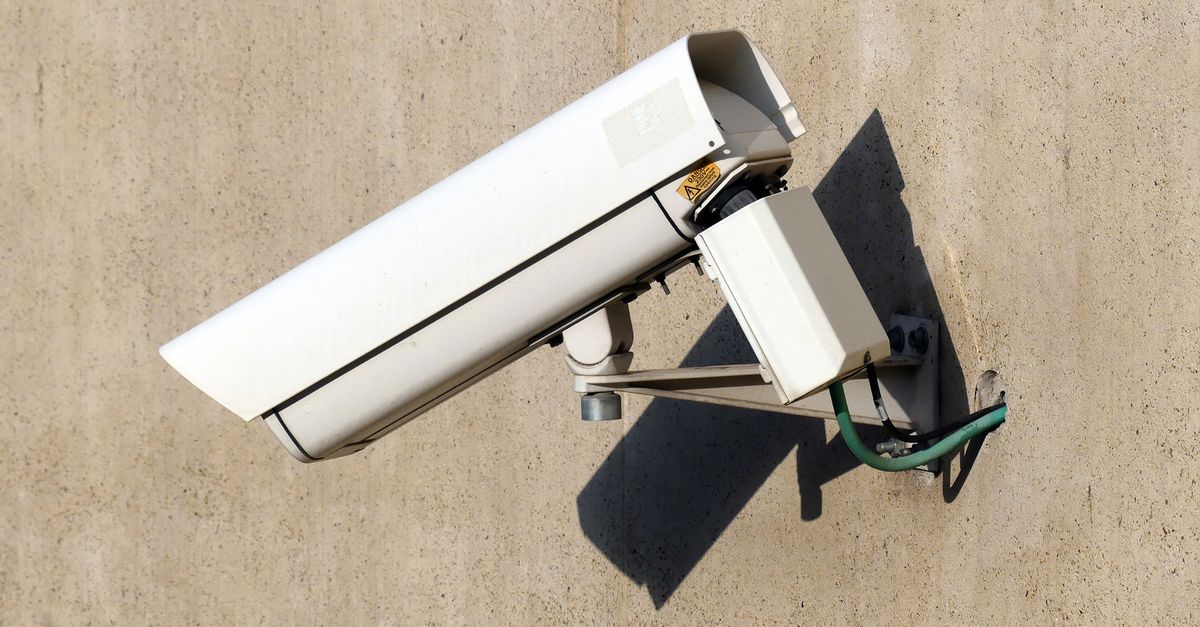
One of the primary goals of any security system is deterrence. A visible camera, a loud siren, and flashing lights are supposed to make potential intruders think twice. However, many budget systems fall short here, offering weak sirens that are barely audible beyond your property line and lack meaningful visual deterrents. I’ve heard countless stories of people’s small, discreet cameras doing nothing to deter someone from walking right up to their door and testing the handle, or even outright taking packages.
To effectively deter, you need visible and impactful deterrents. This means security cameras that are clearly visible, perhaps even with an obvious flashing red light. Invest in a siren that is genuinely loud (100+ dB) and can be triggered remotely or automatically by an alarm event. Integrating smart lighting into your security strategy is also highly effective. If a motion sensor triggers not just an alert but also floods your yard with bright, unexpected light, it creates a much stronger deterrent. I added smart floodlights that integrate with my motion sensors, and the visual impact of sudden bright light, combined with a loud alarm, has definitely made my property a less appealing target.
Cloud Storage Reliance Leads to Privacy and Accessibility Concerns
Many budget systems rely heavily, or exclusively, on cloud storage for recorded footage. While convenient, this often comes with privacy concerns, as your footage is hosted by a third party. More critically, it creates accessibility limitations if your internet is down or if the company’s servers experience an outage. The worst-case scenario? Your footage might not be available when you need it most. I once tried to review an incident only to find the cloud service was experiencing ‘temporary technical difficulties,’ meaning the crucial window of footage was inaccessible.
For real security, prioritize local storage capabilities, such as an SD card slot or integration with a local Network Attached Storage (NAS) device. This keeps your footage securely on your property and accessible even without an internet connection. If cloud storage is a necessity, choose a provider with a strong reputation for security and transparency. Furthermore, consider systems that allow you to download footage quickly and easily to your personal devices. My setup now includes cameras with SD card backup and a subscription to a reputable cloud service, giving me redundancy and peace of mind about accessing my recordings.
Limited Smart Home Integration Prevents Cohesive Protection
The appeal of a smart home is that all your devices work together. However, many budget security systems are closed ecosystems, meaning they don’t integrate well, or at all, with other smart home devices like smart locks, thermostats, or even other brands of cameras. This limits their effectiveness, preventing a truly cohesive and responsive security posture. If your door sensor triggers an alarm, but your smart lights don’t automatically turn on, or your smart lock doesn’t engage, you’re missing out on crucial layers of protection.
For effective security, seek out systems that support open standards like Z-Wave, Zigbee, or Matter, which allow for broader compatibility. This enables you to create powerful automation rules: an alarm triggers, and all your smart lights flash, the thermostat adjusts, and even a specific smart speaker can play a pre-recorded message. My biggest breakthrough was connecting my chosen security hub to a general-purpose smart home platform, allowing me to build custom routines. Now, if an intrusion is detected, my outdoor lights flash red, my indoor lights turn on full blast, and my smart speaker announces ‘Intruder detected’ repeatedly. This layered response is far more effective than a standalone siren.
Frequently Asked Questions
How much should I realistically expect to spend on a reliable DIY home security system?
While ‘budget’ systems can start as low as $100-$200 for a few components, a truly reliable DIY system, offering better motion detection, some form of backup connectivity (like cellular), and secure local storage, will likely fall in the $300-$700 range for initial hardware. Factor in a small monthly fee (e.g., $5-$15) if you opt for cellular backup or enhanced cloud storage.
Can I use old smartphones as security cameras to save money?
Yes, you can. Apps like Alfred Camera or Manything turn old smartphones into basic security cameras. They offer decent video quality and motion detection. However, they typically lack advanced features like night vision, robust weatherproofing for outdoor use, and cellular backup, still making them vulnerable to power and internet outages. They’re good for monitoring low-risk indoor areas but not for primary security.
What’s the biggest mistake people make when setting up a DIY security camera?
The biggest mistake is poor camera placement. People often prioritize convenience over effectiveness, placing cameras where they’re easy to install but offer limited views, are prone to false alarms from environmental factors, or are easily obstructed. Always aim cameras to cover critical entry points, with clear sightlines and minimal moving objects in the primary detection zone. Consider placing them high enough to prevent tampering but low enough to capture clear facial features.
Should I tell neighbors I have a security system?
Absolutely. Informing trusted neighbors that you have a security system and explaining how it functions (e.g., ‘If you hear a siren and see flashing lights, it’s not a false alarm’) can significantly enhance your response time. They can act as an extra set of eyes and ears, potentially contacting authorities if you’re unreachable or unable to verify an alert yourself. This informal neighborhood watch adds a crucial layer of community support to your security efforts.
Is a professional monitoring service necessary for real home security?
Not always. While professional monitoring offers direct dispatch of emergency services, a well-designed DIY system with redundant connectivity, loud sirens, and reliable notifications to your smartphone can provide significant security. The key is to ensure your DIY system has the features for effective deterrence, detection, and a clear plan for your personal response. For high-risk areas or those who travel frequently, professional monitoring can add an extra layer of peace of mind, but it’s not the only path to genuine security.
Conclusion
Building a truly effective home security system, even on a budget, is more about strategic planning than simply buying the cheapest components. The journey from frustration with inadequate budget systems to a robust, self-managed setup taught me that genuine peace of mind comes from understanding and addressing the critical gaps that many low-cost solutions overlook. By prioritizing smart detection, redundant connectivity, meaningful deterrence, secure storage, and integrated responses, you can create a security system that actually protects your home, rather than just promising to. Don’t fall for the illusion of ‘cheap and cheerful’ security; invest in the layers that truly matter. Start by assessing your home’s most vulnerable points and selecting components that address those specific risks, always thinking about how each piece contributes to deterring, detecting, and responding to a potential threat.
Written by Marcus Thorne
Home organization and mindful living
A design consultant who applies principles of efficiency and user experience to daily life challenges.
You Might Also Like

A Beginner's Guide to Thoughtfully Evaluating Home Weather Stations
Don't just buy any home weather station. Learn how to evaluate models for accuracy and features to get reliable data for your needs.
Secure Your Home Network After a Malware Infection Without Wiping Every Device
Don't wipe your devices after a malware scare. Learn how to isolate the threat, clean your network, and restore security without data loss.
7 Overlooked Reasons Your Smart TV Feels Frustrating
Smart TVs promise convenience but often deliver frustration. Discover 7 non-obvious reasons your smart TV disappoints, and what actually works.