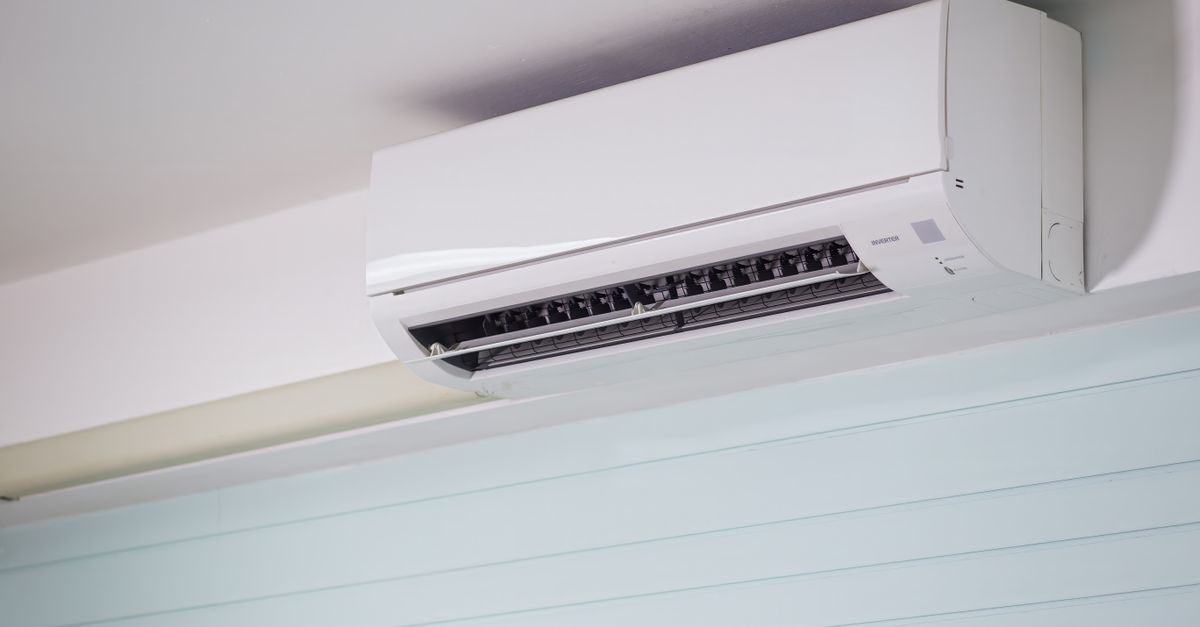
Why is my home air conditioner not cooling enough?
When summer hits and your home air conditioner just isn’t cutting it, the frustration is palpable. You crank the thermostat lower, hoping for that crisp blast of cool air, but instead, you get a weak breeze that barely makes a dent in the rising indoor temperature. In my experience, the mistake I see most often is immediately assuming the unit is ‘broken’ and needs an expensive repair or replacement. What changed everything for me was realizing that many cooling issues aren’t about a catastrophic failure, but rather a cascade of small, overlooked problems that compound over time. The good news? Many of these fixes are well within reach for the average homeowner, without needing a full HVAC technician on speed dial.
I once spent an entire week sweltering, convinced my AC unit was on its last leg, only to discover the culprit was a clogged drain line. It sounds minor, but it effectively shut down the entire system’s ability to dehumidify and cool efficiently. This isn’t just about comfort; a poorly performing AC also drives up your energy bills, creating a double whammy of discomfort and financial drain. Let’s delve into the less obvious reasons your AC isn’t pulling its weight and how to bring back that refreshing chill.
Key Takeaways
- A dirty evaporator coil dramatically reduces your AC’s cooling power by insulating it from the air.
- Restricted airflow from dirty filters or blocked vents prevents your system from distributing cool air effectively.
- Improper refrigerant levels, even slightly off, can drastically impair the AC’s ability to absorb heat from your home.
- Leaky ductwork can waste up to 30% of your conditioned air before it even reaches your living spaces.
- Undersized or oversized units create efficiency and comfort problems that no amount of repair can fully fix.
Your Evaporator Coil is Probably Covered in Grime
Most homeowners focus on cleaning or replacing the air filter regularly, which is fantastic, but they often forget the unseen hero of their AC system: the evaporator coil. This coil, located inside your indoor unit (the air handler or furnace), is where the magic of heat absorption happens. As warm, humid air from your home passes over the cold, refrigerant-filled coils, heat is pulled out of the air, and moisture condenses on the coil’s surface before draining away.
However, if your air filter isn’t doing its job perfectly, or if you’ve missed a few filter changes, tiny dust particles and airborne debris will inevitably accumulate on the evaporator coil over time. This creates a fuzzy, insulating layer on the coil. Think of it like trying to cool a drink with an ice cube that’s wrapped in a blanket – the cold simply can’t transfer effectively. In my own home, I noticed a significant drop in cooling efficiency despite a clean filter, and upon inspection, found a surprising amount of dust matted onto the evaporator coil. It looked almost like felt.
The Fix: Cleaning the evaporator coil is a task often best left to a professional during an annual tune-up. They have specialized coil cleaners that foam up and dissolve the grime, which then drains away with the condensate. However, if you’re comfortable and your coil is accessible, you can attempt a gentle cleaning yourself. First, always turn off power to your indoor unit at the breaker box to prevent accidental electrocution or damage. Use a soft brush attachment on a vacuum to remove loose dust, then apply a no-rinse evaporator coil cleaner (available at most hardware stores). Follow the product instructions carefully. This isn’t just about cooling; a dirty coil also encourages mold growth, impacting your indoor air quality and potentially leading to unpleasant odors.
Restricted Airflow is Choking Your System
Your AC unit might be producing cold air, but if that air can’t get where it needs to go, your home won’t cool effectively. Restricted airflow is a common, yet often overlooked, problem. This isn’t just about a dirty air filter – although that’s the most common culprit. It’s a multi-faceted issue encompassing everything from blocked return air vents to furniture placement and even undersized ductwork.
I once moved into a new apartment where the AC seemed perpetually weak. After checking the filter (which was spotless), I started looking at the vents. I found a massive bookshelf pushed directly against the main return air vent in the living room, effectively blocking about 70% of its surface area. The system couldn’t breathe in enough warm air to cool it properly.
The Fix:
- Regular Filter Changes: This is fundamental. Replace your air filter every 1-3 months, or more frequently if you have pets or allergies. A clogged filter severely restricts airflow and forces your AC to work harder, shortening its lifespan.
- Clear Return and Supply Vents: Walk through your home and ensure no furniture, rugs, or drapes are blocking any air vents, either return (the larger ones where air is sucked in) or supply (the smaller ones where cool air comes out). Aim for at least 12 inches of clear space around each vent.
- Inspect Ductwork: Over time, ducts can accumulate dust, pet hair, and even small toys. If you’ve never had your ducts cleaned, or if you suspect a blockage, consider a professional duct cleaning. Also, inspect accessible duct sections for kinks or crushing, especially in crawl spaces or attics.
- Proper Fan Speed: Ensure your fan setting isn’t too low. While a lower fan speed might seem quieter, it can reduce airflow and lead to less efficient cooling. Consult your thermostat or AC manual for optimal fan settings for cooling.
Your Refrigerant Levels are Off
Refrigerant, often mistakenly called ‘Freon’ (which is a brand name for a type of refrigerant), is the lifeblood of your AC system. It’s the chemical compound that absorbs heat from your indoor air and releases it outside. Contrary to a common misconception, refrigerant doesn’t get ‘used up’ like gasoline in a car. If your refrigerant levels are low, it almost always indicates a leak in the system.
A few years ago, I started noticing ice forming on the copper lines outside my AC unit. This is a classic symptom of low refrigerant. Without enough refrigerant, the pressure in the system drops, causing the evaporator coil to get excessively cold – so cold, in fact, that it freezes the moisture condensed on its surface. An AC technician confirmed a small leak and, after patching it, recharged the system. The difference was night and day.
The Fix: Diagnosing and fixing refrigerant leaks, and then recharging the system, is not a DIY job. Refrigerants are powerful chemicals that require special tools and training to handle safely and legally. Attempting to add refrigerant yourself can overcharge the system, causing even more damage. If you suspect a leak (symptoms include reduced cooling, hissing sounds, ice on coils, or significantly higher energy bills), contact a certified HVAC technician immediately. They will locate the leak, repair it, and then properly recharge your system to the manufacturer’s specifications. This is crucial not just for cooling performance but also for the longevity of your compressor, which can be severely damaged by running with low refrigerant.
Hidden Ductwork Leaks are Stealing Your Cold Air
Imagine paying to cool your entire home, but a significant portion of that expensive cold air is literally escaping into your attic, crawl space, or wall cavities before it ever reaches your living areas. This is precisely what happens with leaky ductwork. In my experience, this is one of the most insidious and common reasons for inadequate cooling, often contributing to discomfort in certain rooms more than others. The Department of Energy estimates that typical duct systems lose 20% to 30% of their airflow through leaks, holes, and poorly connected sections. That’s like leaving a window open even when your AC is blasting.
When I bought my first home, the upstairs bedroom was always significantly warmer than the rest of the house, despite having its own supply vent. After countless adjustments and filter changes, I finally called a professional to inspect the ductwork. They found several disconnected sections and gaping holes in the attic ducts, essentially cooling the attic rather than my bedroom. Sealing these leaks made a dramatic difference, dropping the upstairs temperature by several degrees almost immediately.
The Fix:
- Visual Inspection: In accessible areas like attics, crawl spaces, or basements, look for obvious gaps, tears, or disconnections in your ductwork. Pay special attention to seams and joints.
- “Smoke” Test (DIY): While not precise, you can light an incense stick or hold a piece of tissue near duct seams while the AC is running. If the smoke is pulled in or the tissue flutters, you have a leak.
- Professional Duct Sealing: For a thorough and lasting solution, hire an HVAC professional for duct sealing. They use specialized mastic sealant or metal-backed tape (not common duct tape, which fails quickly) to create airtight seals. They can also perform a
duct blastertest, which pressurizes your duct system and accurately measures the extent of air leakage, providing quantifiable before-and-after results.
Your AC Unit Might Be the Wrong Size for Your Home
This is a problem that often goes unnoticed because it’s baked into the initial installation. Many homeowners assume bigger is better when it comes to AC, but an oversized unit can be just as problematic as an undersized one. Both scenarios lead to inefficient cooling, higher energy bills, and reduced comfort.
- Oversized AC: An AC unit that’s too powerful for your home will cool it down too quickly. While that sounds good, it means the unit cycles on and off frequently (short-cycling). The problem? Your AC’s primary job isn’t just to cool; it’s also to dehumidify. Short-cycling prevents the system from running long enough to effectively remove moisture from the air. This leaves your home feeling clammy and uncomfortable, even if the temperature is technically low. It also puts undue stress on the compressor, shortening its lifespan. In my previous home, I inherited an oversized unit, and the air always felt heavy and damp, despite the thermostat reading 72 degrees.
- Undersized AC: Conversely, an undersized unit will struggle to reach your desired temperature on hot days. It will run almost continuously, consuming a lot of energy without providing adequate relief. This constant running also wears down components faster and leaves you feeling perpetually warm and sticky.
The Fix: Unfortunately, correcting an improperly sized unit often involves replacing the entire system or at least the outdoor condenser and indoor coil. This is a significant investment, but it’s crucial for long-term comfort and energy savings. If you suspect your unit is the wrong size:
- Professional Load Calculation: Have a reputable HVAC contractor perform a Manual J load calculation for your home. This is a detailed analysis that considers factors like square footage, insulation levels, window types and sizes, local climate, ceiling height, and even the number of occupants to determine the precise cooling capacity (measured in tons) your home needs. Beware of contractors who simply base sizing on square footage alone – that’s a recipe for continued problems.
Your Outdoor Unit is Choking on Debris
While the evaporator coil is inside, its counterpart, the condenser coil, is outside. This is where your system releases the heat it absorbed from your home. If this coil is dirty or obstructed, the heat exchange can’t happen effectively, and your AC will struggle to cool. Leaves, grass clippings, dirt, spiderwebs, and even pet hair can coat the fins of the condenser coil, acting as an insulating barrier.
I vividly remember one blistering August day when my AC stopped cooling almost entirely. After ensuring the filter was clean and the thermostat was set correctly, I ventured outside to the condenser unit. It was completely encased in a thick layer of cottonwood fluff and dried leaves, courtesy of a particularly windy spring. The unit was literally suffocating, unable to expel heat. A quick, careful cleaning restored full cooling power.
The Fix:
- Clear Debris Regularly: At least once a month during cooling season, visually inspect your outdoor unit. Clear away any leaves, grass clippings, or other debris from around the unit. Trim back any bushes or plants, maintaining at least 2 feet of clear space around all sides for optimal airflow.
- Gentle Cleaning: Always turn off power to the outdoor unit at the breaker box before cleaning. Use a garden hose with a gentle spray (not a high-pressure nozzle, which can bend the delicate fins) to rinse off dirt and grime from the fins. You can also use a soft brush to gently clear away stubborn debris. If the fins are bent, a fin comb (available at hardware stores) can be used to carefully straighten them, improving airflow.
- Keep it Level: Over time, the ground beneath your outdoor unit can settle, causing it to become uneven. A tilted unit can put strain on the compressor and affect drainage. If yours is noticeably uneven, a professional can re-level it for you.
Frequently Asked Questions
Why is my AC running but not cooling the house?
Your AC could be running but not cooling due to several reasons, including a dirty evaporator or condenser coil, low refrigerant levels from a leak, restricted airflow caused by clogged filters or blocked vents, or even issues with the thermostat’s sensor. The system is operating, but its ability to transfer heat is compromised.
How can I tell if my AC is low on Freon (refrigerant)?
Common signs of low refrigerant include: the air coming from vents feels less cold than usual, ice forming on the copper lines or evaporator coil, a hissing or bubbling sound from the unit (indicating a leak), and significantly higher energy bills without a change in usage. A professional can accurately test refrigerant levels.
Can a dirty air filter really affect AC cooling?
Absolutely. A dirty air filter is one of the most common causes of reduced AC cooling. It restricts the airflow needed to properly move air over the evaporator coil, forcing the system to work harder, reducing efficiency, and potentially causing the coil to freeze over. Replace filters every 1-3 months.
How often should I have my AC system professionally serviced?
It’s highly recommended to have your AC system professionally serviced once a year, ideally in the spring before the peak cooling season. A technician can clean coils, check refrigerant levels, inspect electrical components, lubricate moving parts, and identify potential issues before they become major problems.
What temperature should my AC vent air be?
When your AC is running efficiently, the air coming directly from your supply vents should be significantly colder than the room temperature, typically 15-20 degrees Fahrenheit lower. If you place a thermometer at a vent and the difference is less than 15 degrees, your system may not be cooling effectively.
Addressing these non-obvious issues can bring your AC back to its optimal cooling performance, saving you money on energy bills and providing that much-needed comfort. Don’t jump straight to assuming a total system failure; a bit of investigation and proactive maintenance can often solve the problem. Prioritize regular filter changes, ensure clear airflow, and don’t hesitate to call a professional for annual tune-ups or if you suspect a refrigerant leak. Your cooler, more comfortable home awaits.
Written by Marcus Thorne
Home organization and mindful living
A design consultant who applies principles of efficiency and user experience to daily life challenges.
You Might Also Like

A Beginner's Guide to Thoughtfully Evaluating Home Weather Stations
Don't just buy any home weather station. Learn how to evaluate models for accuracy and features to get reliable data for your needs.

Secure Your Home Network After a Malware Infection Without Wiping Every Device
Don't wipe your devices after a malware scare. Learn how to isolate the threat, clean your network, and restore security without data loss.

7 Overlooked Reasons Your Smart TV Feels Frustrating
Smart TVs promise convenience but often deliver frustration. Discover 7 non-obvious reasons your smart TV disappoints, and what actually works.