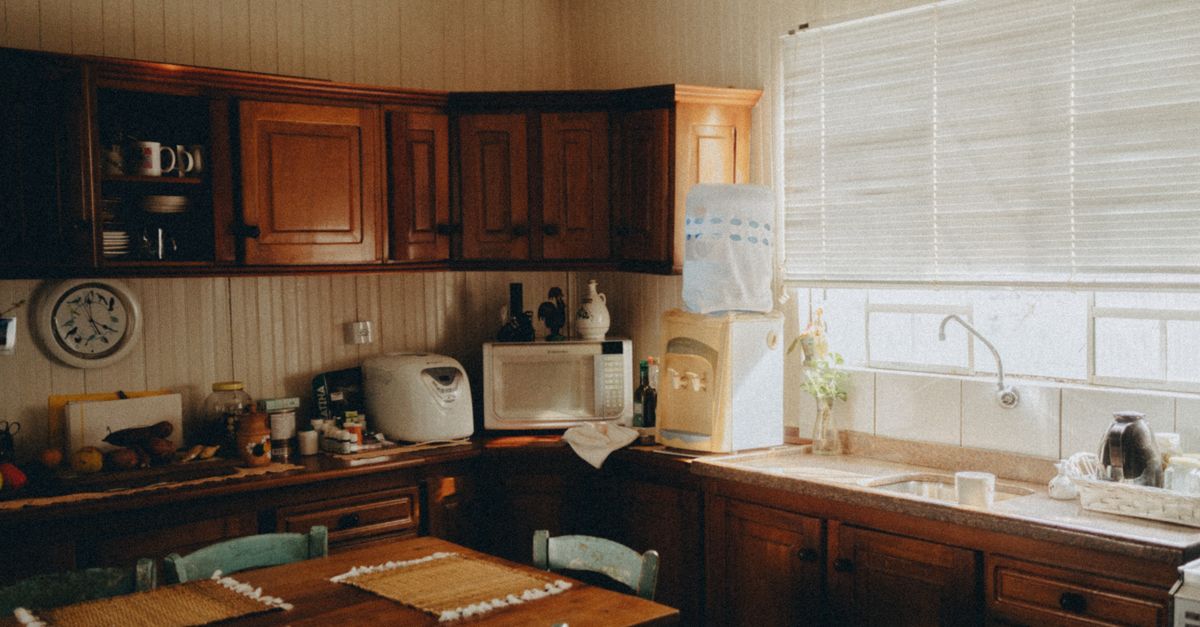
Six Months Without a Microwave: My Kitchen Shift
For years, my microwave was the undisputed king of convenience in my kitchen. Leftovers? Pop them in. Frozen meals? One minute. Even reheating my coffee took mere seconds. It was a ubiquitous presence, humming away in the background, always ready to serve. Then, one day, it died. A sudden, unceremonious sputter and silence. My first thought, naturally, was to replace it immediately. After all, how does one survive without a microwave in 2026? But then a thought took root: what if I didn’t? What if I embraced the challenge, just for a short while, and saw what happened?
That ‘short while’ stretched into six months, and what started as an experiment born of necessity transformed my relationship with food, cooking, and even my own patience. The truth is, I’d been relying on it as a crutch, using it to mask a lack of intentionality in my meal planning and preparation. The shift wasn’t just about how I heated food; it was about why I was doing it so quickly in the first place, and what I was missing out on by prioritizing speed above all else.
Key Takeaways
- Removing the microwave forces a more intentional approach to meal planning and food storage.
- Reheating methods like stovetop or oven can significantly improve the taste and texture of leftovers.
- It cultivates greater patience and appreciation for the cooking process and the food itself.
- The absence of a microwave can lead to a surprising reduction in food waste by encouraging creative leftover use.
Rethinking the Role of Speed in My Kitchen
The immediate impact of going microwave-free was the stark realization of how much I valued speed over quality. My default for almost anything was ‘nuke it.’ This meant soggy pasta, rubbery chicken, and unevenly heated soups. The first few days were a struggle, characterized by grumbling and a desperate longing for that familiar ‘ding.’ I initially tried to replicate the microwave’s speed using the stovetop, often resulting in burnt bottoms and cold centers. The mistake I see most often, and one I certainly made, is assuming that every reheating method should be as fast as a microwave. What changed everything for me was accepting that some things simply take more time, and that time is an investment in a better eating experience.
I began categorizing leftovers: things that did well on the stovetop (soups, stews, saucy dishes), things that benefited from the oven or toaster oven (roasted vegetables, pizza, anything needing crispness), and things that were best enjoyed cold or quickly refreshed (salads, certain grain bowls). This simple categorization alone made a huge difference. For example, reheating roasted chicken and vegetables in the oven at 300°F (150°C) for 10-15 minutes, covered loosely with foil, brought them back to a delightful crispness I hadn’t experienced in years. The texture, the flavor – it was like eating a freshly prepared meal, not a sad rerun. This shift in thinking, from ‘fastest possible’ to ‘best possible,’ redefined my kitchen priorities.
Unlocking the Full Potential of Leftovers
One of the biggest revelations from this experiment was how much better leftovers tasted when reheated properly. The microwave, by design, tends to steam food, often leading to a loss of texture and flavor. My go-to method for rice, for instance, used to be a quick zap, which turned it into a dry, clumpy mess. Now, I gently reheat rice on the stovetop with a splash of water or broth, covered, over low heat. It steams beautifully, returning to its fluffy glory. Similarly, pizza from the night before, once a chewy disappointment, became a crispy-crust delight when baked in a hot oven or even a pan on the stovetop with a lid to trap steam.
What changed everything for me was viewing reheating not as a chore, but as a mini-cooking task. Instead of just warming, I was actively improving the food. This isn’t just about taste; it’s about reducing food waste. When leftovers actually taste good, you’re far more likely to eat them. My family’s aversion to ‘day-old’ meals dramatically decreased, saving us money and preventing perfectly good food from going to waste. In my experience, the art of reheating is a crucial, often overlooked, culinary skill that the microwave made us forget.
Cultivating Patience and Presence in the Kitchen
Removing the microwave forced me to slow down. There’s no instant gratification, no two-minute fix. This forced pause, initially frustrating, became an unexpected source of calm. While waiting for water to boil or the oven to preheat, I found myself more present in the kitchen. I’d use those few extra minutes to chop an ingredient for the next meal, clean a dish, or simply observe the food as it warmed. It’s a subtle shift, but it has profound implications for stress levels and overall well-being.
I realized how much of my life had become a series of rushed transitions. The microwave symbolized that desire for instant results. Without it, I cultivated a greater appreciation for the processes involved in preparing and enjoying food. It taught me to be more patient not just with cooking, but with myself. This newfound patience spilled over into other areas of my life, reducing my tendency to rush through tasks and fostering a more mindful approach to my day.
Reducing Reliance on Processed Foods and Enhancing Meal Planning
Another significant, albeit indirect, consequence of going microwave-free was a natural reduction in our consumption of highly processed foods. Many ‘convenience’ meals, especially frozen ones, are designed for microwave heating. Without that option, I found myself less inclined to buy them. This wasn’t a conscious diet decision, but a practical one. Why buy something that would be difficult or less appealing to prepare?
This shift naturally led to more intentional meal planning. Instead of grabbing a freezer meal when I was short on time, I started thinking ahead. I’d make larger batches of dishes that reheated well on the stovetop, like chili or lentil soup. I even invested in better storage containers to keep food fresh longer. In my experience, the microwave inadvertently facilitated lazy food choices. Removing it spurred me to make healthier, more deliberate decisions about what I brought into my home and what I prepared for my family. This long-term change in my eating habits is perhaps the most valuable outcome of the entire experiment.
Unexpected Space and Aesthetic Benefits
Beyond the culinary and personal transformations, there were practical advantages. That microwave occupied a significant amount of counter space, a premium in my small kitchen. Once it was gone, I suddenly had a much larger, more functional area to work on. This made meal prep easier and the kitchen felt less cluttered and more inviting. It’s a subtle aesthetic shift, but one that contributes to a more peaceful environment.
Moreover, the constant low hum of the appliance, which I’d grown accustomed to, was gone. The kitchen felt quieter, a place for conversation and the gentle sounds of cooking, rather than the background noise of machinery. This unexpected benefit made the kitchen a more enjoyable space to be in, reinforcing the positive changes in my cooking habits and overall lifestyle. This might seem minor, but a decluttered, quieter space has a surprising impact on mental clarity and overall enjoyment of your home.
Frequently Asked Questions
Is it difficult to live without a microwave in the long run?
Initially, yes, it can feel challenging as you adjust your habits. However, in my experience, the benefits of more flavorful food, reduced reliance on processed meals, and a more intentional approach to cooking far outweigh the initial learning curve. It becomes a new normal that you grow to appreciate.
How do you reheat coffee or tea without a microwave?
For coffee, I simply reheat it in a small saucepan over low heat on the stovetop. It takes a few minutes but avoids the uneven heating and sometimes burnt taste a microwave can impart. For tea, if it’s already brewed and cooled, I might just make a fresh cup, or gently rewarm it on the stovetop if it’s a larger batch.
What are the best methods for reheating different types of leftovers without a microwave?
For soups, stews, and saucy dishes, the stovetop in a saucepan over low-medium heat is ideal, stirring occasionally. For baked goods, roasted vegetables, and crispy foods like pizza or fries, the oven or toaster oven at a moderate temperature (around 300-350°F or 150-175°C) often works best to restore crispness. For rice or pasta, a stovetop with a splash of water or broth, covered, over low heat will re-steam them nicely.
Does not having a microwave significantly increase energy costs from using the oven/stovetop more?
While the oven and stovetop use more energy per minute than a microwave, the overall impact on your energy bill might not be significant, especially if you’re mindful about batch cooking and efficient reheating. Microwaves use less energy for short bursts, but prolonged or frequent use of larger appliances for substantial amounts of food isn’t necessarily more expensive. Often, the bigger savings come from reducing food waste and preparing fewer processed items.
How do you defrost food quickly without a microwave?
For most items, the safest method is to plan ahead and defrost in the refrigerator overnight. For quicker defrosting, you can place sealed food in a bowl of cold water, changing the water every 30 minutes, or use the cold running water method. Avoid hot water, as this can start cooking the outside while the inside remains frozen.
Conclusion
My six-month experiment without a microwave was one of the most unexpected yet impactful changes I’ve made in my home. What began as an inconvenience morphed into a journey of rediscovering the simple pleasures of intentional cooking and savoring food. It taught me patience, reduced our reliance on quick fixes, and fundamentally improved the taste and quality of our meals. If you’re considering decluttering your kitchen or just want to challenge your reliance on convenience, I highly recommend trying a microwave-free period. You might be surprised at what you gain in return. Start by picking one type of leftover you usually microwave and commit to reheating it on the stovetop or in the oven for a week. Notice the difference. That small shift could be the beginning of a much larger, more rewarding kitchen transformation.
Written by Clara Jenkins
Productivity and personal development
A former elementary school teacher with a knack for simplifying complex concepts and fostering personal growth.
You Might Also Like

A Beginner's Guide to Thoughtfully Evaluating Home Weather Stations
Don't just buy any home weather station. Learn how to evaluate models for accuracy and features to get reliable data for your needs.
Secure Your Home Network After a Malware Infection Without Wiping Every Device
Don't wipe your devices after a malware scare. Learn how to isolate the threat, clean your network, and restore security without data loss.

7 Overlooked Reasons Your Smart TV Feels Frustrating
Smart TVs promise convenience but often deliver frustration. Discover 7 non-obvious reasons your smart TV disappoints, and what actually works.