Six Months Without a Clothes Dryer: My Unexpected Discoveries About Laundry and Energy
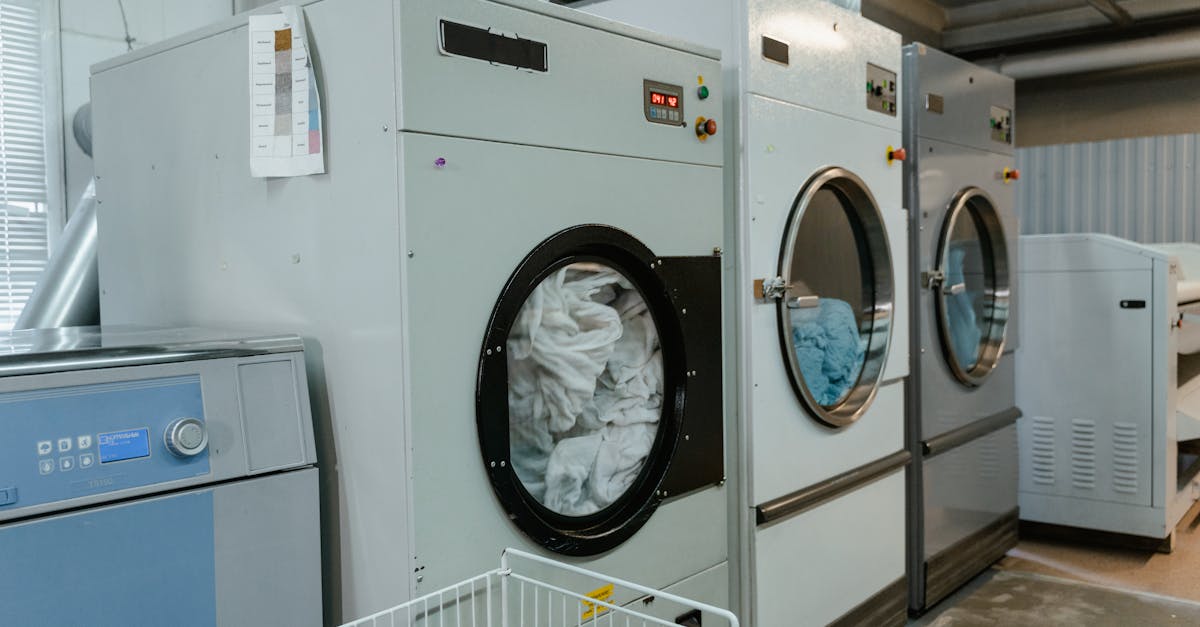
When my trusty (and energy-guzzling) electric clothes dryer finally gave up the ghost six months ago, my first instinct was to rush out and replace it. It was a convenience I’d always taken for granted, a staple of modern life. But then, a thought struck me: what if I didn’t? What if I embraced a dryer-free existence, at least for a while? I live in a temperate climate, I have outdoor space, and I was genuinely curious about the real impact such a change would have on my utility bills, my clothing, and my daily routine.
What started as a temporary experiment born out of necessity quickly morphed into a profound shift in my relationship with laundry and, surprisingly, with time itself. The mistake I see most often is people viewing such a change as a sacrifice, a step backward. What changed everything for me was reframing it as an opportunity: an opportunity to save money, extend the life of my clothes, and inject a small dose of mindful living into a mundane chore. My initial goal was purely financial – to see how much I could save on my electricity bill. The unexpected gains in the longevity of my wardrobe and a newfound appreciation for natural processes were the real game-changers.
Key Takeaways
- Eliminating a clothes dryer significantly reduces electricity consumption, resulting in substantial savings on utility bills.
- Air-drying clothes extends their lifespan by reducing wear and tear, shrinkage, and fading caused by high heat.
- Strategic placement of clotheslines and drying racks optimizes drying time and integrates seamlessly into daily routines.
- The process of air-drying offers a mindful pause, transforming a chore into a more connected experience.
The Real Savings Aren’t Just on Your Energy Bill
Let’s cut straight to the numbers. Before my dryer’s demise, it accounted for a noticeable chunk of my monthly electricity bill. While I didn’t have a smart meter isolating its exact consumption, general estimates suggest dryers can be one of the most energy-intensive appliances in a typical household, consuming anywhere from 2,000 to 4,000 watts per load. Running it an average of 4-5 times a week, as I did, definitely added up.
Over the past six months, my electricity bill has consistently been 20-30% lower than the same period last year. This isn’t solely due to the dryer, of course; I’ve also become more conscious of other phantom loads and general energy consumption. However, given the dryer’s prominent place in my former energy usage, I attribute a significant portion of this reduction, easily $30-$50 per month, directly to air-drying. This translates to hundreds of dollars saved annually, which can be reinvested or simply enjoyed. In my experience, the cost of a new, energy-efficient dryer would take years to offset through energy savings, making the ‘free’ method of air-drying a clear financial winner from day one.
But the savings extend far beyond the electricity bill. The lifespan of my clothes has visibly improved. High heat and tumbling are brutal on fabrics. I used to notice clothes shrinking, colors fading, and elastic bands losing their stretch much faster. Now, my shirts retain their shape, denim stays vibrant, and even delicate items feel newer for longer. This means I’m replacing clothes less often, another subtle but significant financial gain that often goes uncalculated when people consider the ‘cost’ of air-drying. It’s a fundamental shift: instead of actively shortening the life of my garments, I’m now actively preserving them.
Rethinking Laundry Day: Efficiency Beyond the Spin Cycle
The biggest misconception about air-drying is that it’s a huge time sink. My experience shows this isn’t necessarily true, provided you approach it with a bit of strategy. The mistake I see most often is people trying to air-dry everything all at once, leading to an overwhelming pile of wet laundry. What changed everything for me was breaking down laundry into smaller, more frequent loads. Instead of a marathon laundry day, I now do a load every 1-2 days. This means less wet laundry at any given time, making the hanging process quicker and less daunting.
I invested in a few key tools: a sturdy outdoor clothesline, two collapsible indoor drying racks, and a small, clip-style hanger specifically for socks and underwear. The outdoor line is my primary drying method on sunny, breezy days. On rainy days or during cooler weather, the indoor racks find their place in a well-ventilated area, often near a window or in a room with a ceiling fan. This flexibility is crucial. Don’t feel you need to commit to one method; adapt to the weather and your living space.
Another specific trick: wring out clothes thoroughly in the washing machine’s final spin cycle. I even run a second spin cycle for heavier items like towels or jeans. The less water they hold, the faster they’ll dry. When hanging, shake out each item to reduce wrinkles and ensure maximum surface area for drying. For items like t-shirts, hanging them on hangers directly from the wash to the line or rack saves ironing time later. It’s about optimizing every step to minimize perceived effort.
The Unexpected Benefits: A Mindful Pause in the Everyday
Beyond the tangible savings and extended clothing life, the most profound discovery for me has been the psychological shift. The mistake I see most often is people rushing through chores, trying to get them over with. What changed everything for me was recognizing air-drying as an opportunity for a mindful pause.
There’s a quiet satisfaction in hanging clothes on the line, feeling the fresh air, and watching them sway gently in the breeze. It forces me to step away from screens and connect with a simple, almost ancient, rhythm. The scent of naturally sun-dried laundry is incomparable – it’s a clean, fresh smell that no dryer sheet can replicate. This small ritual has become a surprisingly calming part of my day, a moment of gentle transition between tasks.
Moreover, it’s fostered a deeper connection to the natural environment. I’m more aware of the weather patterns, the strength of the sun, and the direction of the wind. It’s a subtle connection, perhaps, but it’s there. This shift from a purely automated process to one that involves interaction with nature has, for me, added a layer of richness to a previously monotonous chore. It’s a small rebellion against the constant push for instant gratification, a reminder that some things are worth waiting for.
Navigating Challenges: Adapting to Climate and Space
Of course, a dryer-free lifestyle isn’t without its challenges, especially when adapting to different climates and living situations. The mistake I see most often is people assuming it’s an all-or-nothing proposition. What changed everything for me was recognizing that flexibility is key, and solutions exist for almost any scenario.
In humid climates, air circulation is paramount. Position indoor racks near open windows, use ceiling fans, or even a small oscillating fan directed at the clothes. Dehumidifiers can also significantly speed up indoor drying, although you’d need to weigh their energy consumption against the dryer’s. For those with limited space, compact, accordion-style drying racks that fold flat or hang over doors are excellent solutions. Wall-mounted retractable clotheslines are also fantastic for small apartments or balconies.
During colder months, drying times naturally increase. Here, prioritizing airflow and warmth helps. A clothes rack placed in a sunny room, or even near a radiator (but not directly on it, as it can be a fire hazard and damage clothes) can make a difference. Heavy items like towels might still take a full day or more to dry indoors. This simply requires more planning: starting loads earlier in the day or accepting that some items might need longer. For me, this meant a slight adjustment to my washing schedule for bulkier items, ensuring they had ample time. The goal isn’t perfection, but rather maximizing efficiency within your constraints.
The Longevity Dividend: How Air-Drying Protects Your Wardrobe
One of the most compelling long-term benefits I’ve observed is the sheer longevity of my clothing. The mistake I see most often is people underestimating the cumulative damage of machine drying. What changed everything for me was realizing that every tumble, every blast of high heat, slowly degrades fabrics. This is particularly true for items with elastic, like activewear, underwear, and fitted garments. The heat breaks down the elastic fibers, leading to sagging and loss of shape.
Air-drying prevents this entirely. Colors fade far less, meaning my dark jeans stay dark, and bright shirts retain their vibrancy for many more washes. Delicates, which I once feared putting in the dryer even on low heat, now maintain their integrity perfectly. The absence of lint in my laundry area is another testament to this: lint is essentially tiny fibers pulled from your clothes by the tumbling action, a visible sign of wear. Without a dryer, that lint stays on your clothes, extending their life.
This isn’t just about saving money on new clothes; it’s about valuing the resources that went into making the clothes you already own. It’s a small, tangible step towards a more sustainable lifestyle, reducing textile waste and consumption. By treating my clothes with more care, they reciprocate by serving me longer, maintaining their quality, and reducing the environmental footprint of my wardrobe.
Beyond the Laundry Room: A Broader Shift in Mindset
My six months without a clothes dryer have extended far beyond the realm of laundry. The mistake I see most often is people viewing individual sustainable choices in isolation. What changed everything for me was understanding how one small shift can ripple into a broader change in mindset.
This experiment has fostered a greater awareness of my overall energy consumption. If I can make such a significant change with laundry, what other areas of my life can I re-evaluate for efficiency and mindfulness? I’ve started unplugging more appliances, being more diligent about turning off lights, and even considering the embodied energy in the products I purchase. It’s a shift towards intentional living, where convenience is balanced with consciousness.
The initial hurdle was undoubtedly mental. The ingrained habit of tossing wet clothes into a machine and walking away was powerful. But overcoming that initial resistance, seeing the immediate financial benefits, and experiencing the unexpected psychological perks has solidified this as a permanent lifestyle choice for me. I now see the dryer not as an essential appliance, but as a luxury – one I’ve consciously chosen to forgo for a more sustainable, economical, and mindful way of living. It’s a practical lesson in how small, seemingly insignificant changes can lead to surprising and enriching outcomes.
Frequently Asked Questions
How much energy does a clothes dryer typically use?
A clothes dryer is one of the most energy-intensive appliances, typically consuming between 2,000 to 4,000 watts per load. This can account for a significant portion of a household’s electricity bill, especially with frequent use. The exact consumption depends on the dryer’s efficiency, load size, and chosen settings.
Is air-drying clothes actually faster than using an energy-efficient dryer?
No, air-drying is generally slower than using an energy-efficient dryer. Modern dryers use forced hot air and tumbling action to dry clothes quickly. Air-drying relies on ambient temperature, humidity, and airflow, which can take several hours outdoors on a good day, or even a full day or more indoors, especially for heavy items. The benefit isn’t speed, but rather energy savings and garment preservation.
Does air-drying make clothes stiff or crunchy?
Air-drying can sometimes make clothes feel stiffer, particularly towels or items dried in low humidity or without much airflow. This is due to water molecules bonding with fabric fibers as they evaporate. To mitigate this, shake out items thoroughly before hanging, use a second spin cycle in the washer, and consider adding a cup of white vinegar to the rinse cycle. A quick fluff in a dryer on a no-heat setting for 5-10 minutes can also soften items if desired, still saving significant energy.
Can air-drying cause mold or mildew on clothes?
Yes, if clothes are left damp for too long in a poorly ventilated area, they can develop mold or mildew, leading to unpleasant odors. To prevent this, ensure adequate airflow around drying clothes. Outdoors, hang them with space between items. Indoors, use drying racks in well-ventilated rooms, consider a fan, and avoid overcrowding the racks. Clothes should be completely dry before folding and putting away.
What are the best indoor drying solutions for small apartments?
For small apartments, collapsible indoor drying racks that fold flat are excellent. Over-the-door drying racks, shower rod extenders, or retractable wall-mounted clotheslines on balconies or in bathrooms can also maximize limited space. Strategic placement near windows or in rooms with ceiling fans will also help speed up the drying process.
Written by Marcus Thorne
Home organization and mindful living
A design consultant who applies principles of efficiency and user experience to daily life challenges.
You Might Also Like

A Beginner's Guide to Thoughtfully Evaluating Home Weather Stations
Don't just buy any home weather station. Learn how to evaluate models for accuracy and features to get reliable data for your needs.

Secure Your Home Network After a Malware Infection Without Wiping Every Device
Don't wipe your devices after a malware scare. Learn how to isolate the threat, clean your network, and restore security without data loss.

7 Overlooked Reasons Your Smart TV Feels Frustrating
Smart TVs promise convenience but often deliver frustration. Discover 7 non-obvious reasons your smart TV disappoints, and what actually works.