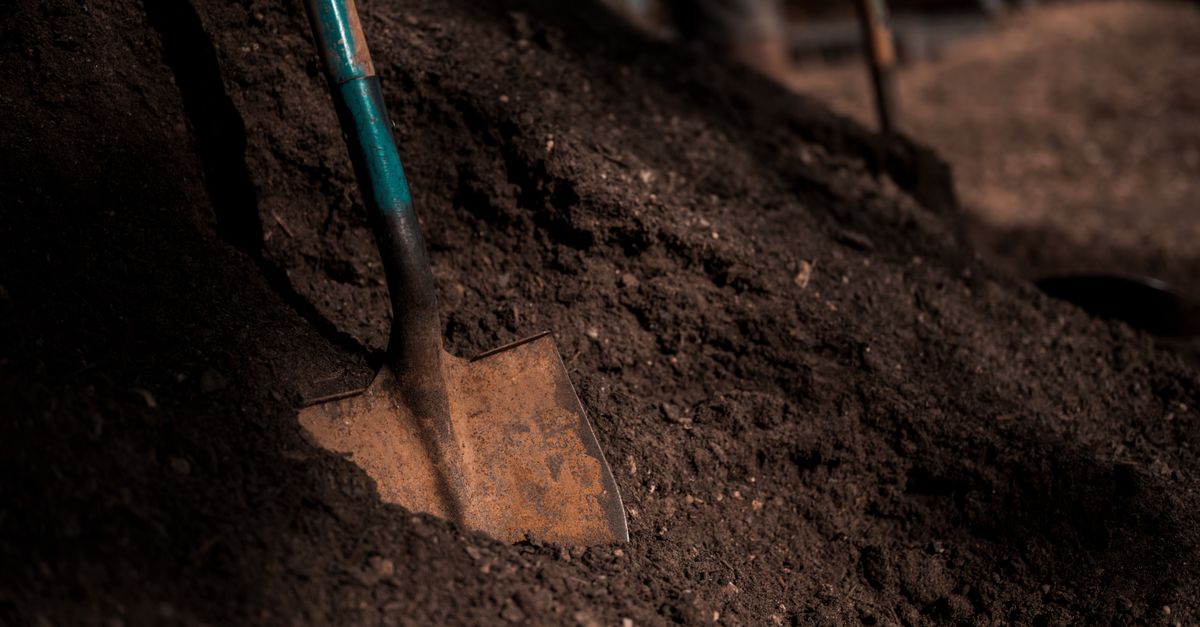
Six Inches of Topsoil: Why That Number Won't Build a Thriving Garden
When I first ventured into home gardening, like many enthusiastic beginners, I gravitated towards the simplest solutions. The advice often floated around was to lay down ‘six inches of good topsoil,’ and suddenly, you’d have a bountiful Eden. I followed this guidance religiously, wheelbarrowing bag after bag of what looked like rich, dark earth into my raised beds. I imagined lush vegetables and vibrant flowers, a testament to my newfound green thumb.
Yet, year after year, my garden beds underperformed. My carrots were stunted, tomatoes struggled with disease, and flowers looked perpetually tired. I blamed the weather, the seeds, even my perceived lack of a ‘natural’ gardening touch. What I didn’t realize then was that the very foundation of my gardening — those seemingly adequate six inches of topsoil — was sabotaging my efforts.
In my experience, this ‘six-inch rule’ is one of the most pervasive and damaging misconceptions in home gardening. It’s an oversimplification that leads to frustration, wasted money, and ultimately, a less-than-thriving garden. What changed everything for me was understanding that a truly productive garden bed requires more than just a surface layer of new soil; it demands a deep, living ecosystem that supports root development, nutrient cycling, and water retention far beyond what six inches can offer.
This isn’t about shaming new gardeners; it’s about shifting our perspective from a quick fix to a foundational approach. Once I understood the why behind the need for deeper soil, my gardening transformed from a battle into a partnership with nature. Let’s unpack why those six inches fall short and what you can do to build a garden that truly thrives.
Key Takeaways
- Six inches of topsoil is insufficient for most productive home gardens, limiting root growth and nutrient access.
- The ideal soil depth for a thriving garden typically ranges from 12 to 24 inches, depending on what you plan to grow.
- Building a layered soil profile with organic matter and diverse components improves water retention, aeration, and microbial life.
- Investing in proper soil depth upfront saves long-term effort and expense by fostering healthier, more resilient plants.
The Root of the Problem: Why Six Inches Isn’t Enough
The fundamental issue with a mere six inches of topsoil lies in its inability to adequately support plant root systems. Think about the variety of plants you might want to grow: a robust tomato plant can send roots three feet deep or more, while even common lettuce can extend its roots a foot down. When these roots hit a hardpan layer or an abrupt change to compacted, infertile subsoil, their growth is severely restricted. This isn’t just about anchoring the plant; it’s about access to vital resources.
In my first few years, I observed that my plants, despite looking fine initially, would often ‘stall’ mid-season. They’d produce a few fruits or flowers and then languish. What I later understood was that their root systems, confined to those shallow six inches, were quickly depleting the available nutrients and moisture. They simply couldn’t access the deeper reserves that larger, more resilient plants rely on. It’s like trying to sustain a marathon runner on a single glass of water – it’s just not enough.
Furthermore, shallow soil heats up and cools down more rapidly than deep soil, stressing root systems and making consistent moisture levels almost impossible to maintain. I remember constantly watering my beds, only to find them bone-dry again within a day or two during summer. This constant fluctuation, coupled with limited nutrient access, made my plants vulnerable to disease and pests. A deep, consistent soil environment acts as a thermal and moisture buffer, providing a stable home for roots and the critical microbial life that supports them.
The Goldilocks Zone: Ideal Depths for Diverse Crops
There isn’t a single ‘perfect’ soil depth for all gardens, but there’s certainly a ‘too shallow’ zone that six inches falls squarely into. The ideal depth depends largely on what you plan to cultivate. Understanding these variations can save you a lot of heartache.
For shallow-rooted crops like lettuce, spinach, radishes, and most herbs, a minimum of 6 to 12 inches of good, workable soil is sufficient. These plants don’t send extensive taproots, so their needs are more focused on consistent surface moisture and readily available nutrients in the upper layers.
Moving to medium-rooted crops, which include most beans, peas, Swiss chard, corn, and broccoli, you’ll want at least 12 to 18 inches of well-draining soil. These plants benefit from a bit more room to spread their roots, allowing them to access a larger reservoir of water and nutrients, which is crucial for their longer growing seasons and heavier fruit/flower production.
Finally, for deep-rooted crops and perennials – the heavy feeders and long-term residents – you need to think big. Tomatoes, peppers, squash, cucumbers, potatoes, carrots, most fruit trees, and many shrubs will thrive with 18 to 36 inches or more of good soil depth. My personal breakthrough came when I started aiming for 18-24 inches in my raised beds for tomatoes and squash. The difference was immediate and dramatic: larger, healthier plants, less frequent watering, and significantly higher yields. Those deep roots aren’t just for show; they’re critical for accessing deep moisture, anchoring plants against wind, and tapping into a broader range of micronutrients.
Consider carrots, for example. If you want straight, long carrots, they need unimpeded soil to grow downwards. Hit a hardpan at six inches, and you get stunted, forked carrots. This simple truth applies across the board: match your soil depth to your plant’s needs, and your garden will reward you generously.
Beyond Depth: Building a Layered Soil Ecosystem
Simply adding more topsoil isn’t always the most effective or economical solution. A truly thriving garden bed is about building a layered soil ecosystem that mimics nature’s own processes. This means incorporating various components that work together to create optimal conditions for roots, microbes, and water management.
My approach shifted from ‘filling a box’ to ‘building a living system.’ Here’s what I now recommend:
Start with the Base (Drainage & Bulk): If you’re building a new raised bed or amending an existing area with poor drainage, start with a layer of coarser organic material. I’ve used logs, branches, and even old straw bales at the very bottom. This is a technique called ‘hugelkultur’ in raised beds, which allows for slow decomposition, excellent drainage, and creates natural pockets of air. This layer can be anywhere from 6-12 inches, depending on your total desired depth. It’s a fantastic way to utilize garden waste and add long-term structure.
The ‘Brown’ Layer (Carbon-Rich): Next, I add a layer of carbon-rich organic materials. This could be shredded leaves, aged wood chips, or straw. This material breaks down slowly, providing a consistent food source for soil microbes and helping to build soil structure. Aim for 4-6 inches.
The ‘Green’ Layer (Nitrogen-Rich): To balance the carbon, introduce a layer of nitrogen-rich material. Fresh grass clippings (if pesticide-free), kitchen scraps (buried to avoid pests), or a thin layer of fresh compost work well here. This layer accelerates decomposition in the lower layers. A thinner layer of 2-3 inches is usually sufficient.
The Working Soil (Topsoil & Compost Blend): This is where your ‘good topsoil’ comes in, but blended with plenty of high-quality compost. I mix about 50-70% purchased garden soil (often labeled as ‘raised bed mix’) with 30-50% well-rotted compost. This blend provides immediate nutrients, improves aeration, and introduces a rich microbial community. This is your primary growing medium, and it should make up the bulk of your desired depth after the base layers – typically 8-12 inches.
Finishing Touch (Mulch): Always top your beds with a 2-4 inch layer of organic mulch, such as straw, wood chips, or shredded leaves. Mulch is a game-changer for moisture retention, weed suppression, and regulating soil temperature. It also slowly breaks down, feeding the soil from the top down, just as nature intended.
This layered approach ensures that your plants have a deep, nutrient-rich, and well-aerated environment. The slow decomposition of organic matter at various depths continually replenishes the soil, reducing the need for synthetic fertilizers and fostering a healthier, more resilient garden over time. It’s more effort upfront, but the long-term benefits in plant health and reduced maintenance are undeniable.
The Hidden Cost of Shallow Soil: More Than Just Poor Yields
When I look back at my early gardening struggles, I now recognize that the shallow soil wasn’t just leading to subpar harvests; it was costing me in several insidious ways, financially and in terms of my time and effort. Recognizing these ‘hidden costs’ can be a powerful motivator to invest in proper soil depth.
First, there’s the constant need for watering and fertilization. Shallow soil dries out incredibly quickly, especially during hot spells. I was spending significant time and money on water bills and liquid fertilizers, trying to compensate for what the soil simply couldn’t provide. Deeper soil, especially with a rich organic matter content, acts like a sponge, holding onto moisture and nutrients much more effectively. This meant less frequent watering, less nutrient runoff, and ultimately, less expense.
Second, increased susceptibility to pests and diseases became a huge drain. Stressed plants in poor soil are like weakened immune systems – they’re much more vulnerable. My shallow-rooted tomatoes would constantly battle blossom end rot and fungal issues, and pests seemed to find them irresistible. Healthier, stronger plants with robust root systems are naturally more resistant, requiring far less intervention with organic pesticides or fungicides. This saved me money on treatments and the constant worry.
Third, there’s the labor and expense of constant soil amendment. With shallow, quickly depleted soil, I felt like I was constantly having to ‘recharge’ my beds with new bags of compost or soil. When you build a deep, living soil system from the start, it becomes largely self-sustaining. The organic layers decompose, feeding the soil, and the deep root penetration helps to improve the soil structure naturally over time. This significantly reduces the need for annual, intensive soil amendments.
Finally, and perhaps most importantly, there’s the cost of discouragement and lost joy. Gardening is meant to be a rewarding activity, but constant struggles with underperforming plants can quickly turn it into a frustrating chore. Investing in proper soil depth and building a healthy soil ecosystem transforms the experience. When your plants thrive, your yields are abundant, and the effort required is reduced, gardening becomes the joyful, productive hobby it’s meant to be.
Starting Right: Amending Existing Beds or Building New Ones
So, what if you’ve already got shallow raised beds, or you’re planning a new garden? Don’t despair. It’s never too late to improve your soil, and getting it right from the start will save you countless hours and dollars down the line.
For existing shallow beds:
- Assess and Clear: If possible, remove current plants. Dig down to see what’s beneath your six inches of topsoil. Is it compacted clay, sandy subsoil, or an impenetrable hardpan? This dictates your approach.
- Loosen the Base: If you hit hardpan or compacted soil, use a broadfork or a digging fork to loosen it as deeply as possible without inverting the soil layers. This improves drainage and allows new roots to penetrate. If you have a true hardpan that’s difficult to break, consider adding a layer of coarse sand or gravel before adding organic matter, but remember drainage is key, not just an abrupt texture change.
- Build Up (and Out): This is where you increase your depth. Start adding the organic layers described earlier: logs, branches, leaves, straw, and then a generous blend of quality compost and garden soil. For raised beds, this might mean increasing the height of your bed walls. For in-ground gardens, it might mean creating raised rows or broadforking deeply and then mounding soil on top.
- Incorporate and Blend: Gently mix the new layers with your existing soil in the top 6-8 inches. This creates a gradual transition rather than distinct layers that could impede water and root movement.
For building new beds (the ideal scenario):
- Site Preparation: Clear the area of weeds and debris. If building an in-ground bed, consider broadforking the native soil deeply to loosen it.
- Deep Foundations: Start by laying down your coarser organic materials (logs, branches) if building a raised bed, or simply starting with a thick layer of shredded leaves and compost for in-ground. Aim for that 12-24 inch target depth, keeping in mind the needs of your chosen crops.
- Layer Smart: Follow the layered approach (carbon, nitrogen, working soil blend) to build a rich, biodiverse soil profile.
- Top with Mulch: Always finish with a thick layer of organic mulch to protect your newly built soil.
My biggest advice here is to invest in good quality soil amendments. Don’t skimp on compost. Look for local sources, as bulk compost from a reputable nursery is often more cost-effective and higher quality than bagged options. This initial investment in your soil’s health is the single most impactful thing you can do for your garden’s long-term success. It’s not just about filling a space; it’s about cultivating life beneath the surface.
Frequently Asked Questions
Q: Can I achieve deep soil without building raised beds?
A: Absolutely. For in-ground gardens, you can use techniques like double-digging (though many now prefer broadforking to minimize soil disturbance) to loosen the native soil deeply. Once loosened, incorporate copious amounts of organic matter, such as compost and aged manure, to increase depth and fertility. Over time, consistent mulching and adding organic material will naturally deepen and enrich your soil.
Q: What is ‘hardpan’ and how do I deal with it?
A: Hardpan is a dense, compacted layer of soil that impedes water drainage and root penetration. It can occur naturally or due to heavy machinery. If you encounter hardpan, it’s crucial to break it up. A broadfork is an excellent tool for this, as it aerates the soil without inverting the layers. For severe cases, you might need to use a pickaxe or consider double-digging, but always follow up by incorporating plenty of organic matter to prevent recompaction.
Q: How much compost should I add to my soil?
A: For initial bed building, aim for 30-50% compost mixed with your topsoil or garden soil. For annual maintenance, a 2-4 inch layer of well-rotted compost spread over your beds in spring or fall will continually replenish nutrients and improve soil structure. More is often better with compost, but ensure it’s fully decomposed to avoid nutrient imbalances.
Q: Is garden soil or topsoil better for building beds?
A: The terms are often used interchangeably, but generally, ‘topsoil’ refers to the uppermost layer of native earth, which can vary widely in quality. ‘Garden soil’ is often a blended product, sometimes amended with organic matter. For building beds, I recommend a blend of high-quality garden soil (or screened topsoil) mixed heavily with well-rotted compost. Avoid cheap ‘fill dirt’ as it often lacks nutrients and can be compacted.
Q: Can I use fresh manure to add depth and nutrients?
A: Fresh manure is very high in nitrogen and can ‘burn’ plant roots if applied directly. It also often contains weed seeds. Always use aged or composted manure, which has been broken down for several months. This reduces its potency and kills most weed seeds. It’s an excellent organic amendment for deepening and enriching soil.
Building a truly thriving home garden isn’t about magical numbers or quick fixes; it’s about understanding and respecting the fundamental needs of plants and the soil ecosystem. By moving beyond the ‘six inches of topsoil’ myth and consciously cultivating deep, rich, and layered soil, you’re not just growing plants – you’re nurturing a resilient, productive environment that will reward your efforts for seasons to come. It’s an investment that pays dividends not just in produce, but in the enduring joy of a flourishing garden. Get out there, dig deep, and watch your garden thrive!
Written by Marcus Thorne
Home organization and mindful living
A design consultant who applies principles of efficiency and user experience to daily life challenges.
You Might Also Like

A Beginner's Guide to Thoughtfully Evaluating Home Weather Stations
Don't just buy any home weather station. Learn how to evaluate models for accuracy and features to get reliable data for your needs.

Secure Your Home Network After a Malware Infection Without Wiping Every Device
Don't wipe your devices after a malware scare. Learn how to isolate the threat, clean your network, and restore security without data loss.

7 Overlooked Reasons Your Smart TV Feels Frustrating
Smart TVs promise convenience but often deliver frustration. Discover 7 non-obvious reasons your smart TV disappoints, and what actually works.