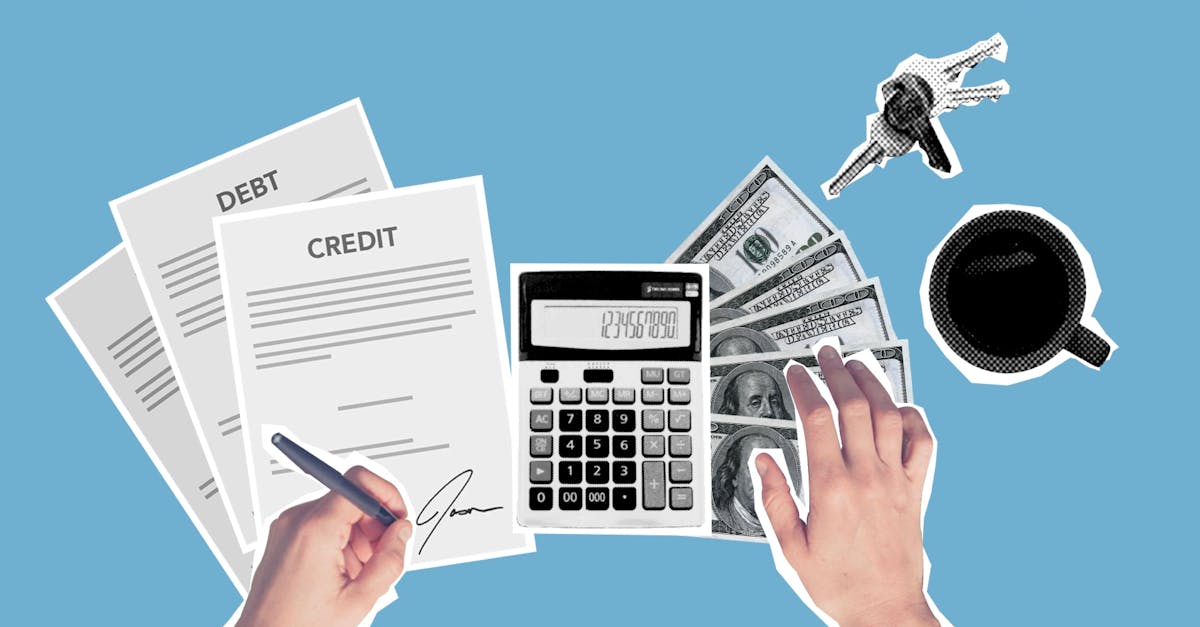
A Practical Checklist for Car Loan Refinancing Without the Money-Saving Pitfalls
The promise of lower monthly payments through car loan refinancing sounds universally appealing, doesn’t it? In my experience, however, many car owners jump into refinancing without truly understanding the nuances, often sacrificing long-term financial health for short-term relief. I’ve seen countless individuals refinance their vehicles, only to realize months later that they’ve inadvertently extended their debt, paid more in interest over time, or locked themselves into unfavorable terms they didn’t anticipate. It’s a classic case of looking only at one variable – the monthly payment – and missing the bigger financial picture. True savings in refinancing come from a strategic approach, not just chasing the lowest advertised rate. This isn’t about simply punching numbers into an online calculator; it’s about evaluating how a new loan aligns with your broader financial goals and understanding the fine print that can make or break your efforts.
Key Takeaways
- Prioritize reducing the total interest paid over the life of the loan, not just the monthly payment.
- Carefully review all fees associated with a new loan, as they can negate potential interest savings.
- Ensure the new loan term doesn’t extend beyond your planned ownership period for the vehicle.
- Proactively assess your credit score and debt-to-income ratio before applying to secure the best rates.
Understand Your ‘Why’ Before You Shop Rates
Before you even think about comparing interest rates, you need to be crystal clear on why you’re refinancing. Is it genuinely to save money on total interest, or are you primarily trying to lower your monthly payment to free up cash for other expenses? In my professional experience, the latter often leads to suboptimal outcomes. If your primary goal is to lower your monthly payment, you might be tempted to extend the loan term significantly, which, while reducing the immediate burden, almost always results in paying more interest over the long run. I once worked with a client who refinanced a remaining $15,000 car loan from 24 months to 60 months, dropping their payment from $650 to $270. They felt a huge relief initially. However, what they didn’t fully grasp was that while their original interest rate was 6%, their new rate was 8% (due to a slight dip in their credit score). Over the total life of the new loan, they ended up paying nearly $2,500 more in interest than if they had stuck with the original, shorter term. The ‘savings’ were an illusion, masking increased long-term cost.
Your ‘why’ should dictate your strategy. If you want to reduce total interest, you’ll focus on securing a lower interest rate and keeping a similar or shorter loan term. If you need a lower monthly payment, you must consciously weigh the trade-off of potentially paying more interest. A healthy ‘why’ for refinancing typically involves one of two scenarios: either your credit score has significantly improved since you first bought the car, qualifying you for a much better rate, or market rates have dropped substantially. Without one of these core drivers, any perceived savings might be temporary or come with hidden costs.
Scrutinize the Total Cost of the New Loan, Not Just the Interest Rate
Many consumers make the mistake of fixating solely on the advertised Annual Percentage Rate (APR) when considering a refinance. While a lower APR is undoubtedly important, it’s not the sole determinant of how much you’ll save. What often goes unnoticed are the various fees associated with a new loan. These can include application fees, origination fees, documentation fees, processing fees, and even prepayment penalties from your original loan. I’ve seen cases where a seemingly attractive new APR was entirely offset by a couple hundred dollars in closing costs. For a $10,000 loan, a $250 origination fee means you’re already starting in the red.
Here’s a practical example: A client came to me with two refinance offers. Lender A offered an APR of 4.5% with $150 in fees. Lender B offered an APR of 4.75% with no fees. On the surface, Lender A’s offer seemed better. However, when we calculated the total interest over a 36-month term on a $20,000 loan, Lender A would cost $1,399 in interest plus $150 in fees, totaling $1,549. Lender B, despite the slightly higher APR, would only cost $1,475 in interest with no fees. The ‘higher’ rate actually saved them nearly $75. It’s critical to ask for a detailed breakdown of all fees up front and factor them into your overall cost comparison. Don’t be shy about asking lenders to waive or reduce these fees, especially if you have good credit. Everything is negotiable.
Beware the Term Extension Trap
This is perhaps the most insidious pitfall in car loan refinancing. A lender can easily offer you a lower monthly payment by simply extending the length of your loan, even if the interest rate isn’t significantly better. For instance, if you have 24 months remaining on your current loan and refinance into a new 60-month loan, your monthly payment will drop dramatically. However, you’ve just added three years to your debt repayment schedule. This means more time for interest to accrue, and more time for your car’s value to depreciate, potentially leading to an ‘upside-down’ loan situation where you owe more than the car is worth.
I vividly recall a client who had 18 months left on their original 5-year loan. They refinanced into a new 4-year loan to cut their payment by $100. They genuinely thought they were being smart. But by adding 30 months to their repayment (48 new months minus 18 original months), even with a slightly better interest rate, they ended up paying an additional $800 in total interest and would still be making payments long after they planned to sell the car. The rule of thumb I always advocate: Never extend your loan term beyond your original end date, or at least beyond the point where you realistically expect to own the car. If you’re going to keep the car for another five years, a 60-month loan might be fine. But if you plan to trade it in three years, avoid anything longer than a 36-month term. Match your new loan term to your anticipated ownership horizon.
Assess Your Credit Health Before Applying
Your credit score is the single most important factor in determining the interest rate you’ll be offered for refinancing. Yet, many people apply for refinancing without first checking their credit report and score. This is a crucial oversight. If your credit score has improved significantly since you first purchased the car (perhaps you’ve paid down other debts or consistently made on-time payments), you’re in a much stronger position to secure a lower rate. Conversely, if your score has dropped, refinancing might not be advantageous, or you could end up with a higher rate than you currently have. Applying without knowing your score is like going into a negotiation blindfolded.
Before you submit any applications, get a free copy of your credit report from all three major bureaus (Equifax, Experian, TransUnion) and check your score. Look for any errors that could be dragging your score down. Dispute them immediately. Also, understand your debt-to-income (DTI) ratio. Lenders look at this to assess your ability to handle new debt. If your DTI is high, even with a good credit score, you might not get the best rates. By proactively managing and understanding your credit, you empower yourself to negotiate effectively and ensure you’re getting the best possible terms. Aim for a credit score well into the ‘good’ or ‘excellent’ range (typically 700+) for the most competitive offers.
Consider Your Loan-to-Value (LTV) Ratio
The loan-to-value (LTV) ratio is another critical, yet often overlooked, factor in car loan refinancing. This ratio compares the amount you want to borrow against the current market value of your vehicle. Lenders prefer to see an LTV of 100% or less, meaning you owe no more than the car is worth. If your car has significantly depreciated or you initially put very little money down, you might find yourself with an LTV ratio greater than 100% (an ‘upside-down’ loan). Many lenders are hesitant to refinance a car if the LTV is too high, as it represents a greater risk for them.
In my practice, I’ve often seen clients try to refinance when their LTV is 120% or even 130%. While some specialized lenders do offer ‘upside-down’ refinancing, the interest rates are typically much higher to compensate for the increased risk. If you’re in this situation, a smart strategy might be to pay down a portion of the principal before refinancing, or to wait until the car’s market value catches up with the loan balance. You can check your car’s estimated value through resources like Kelley Blue Book or Edmunds. Knowing your LTV before you apply will save you time and potential disappointment, allowing you to approach refinancing from a position of strength, or to make an informed decision to delay it until your financial standing improves.
Shop Around Diligently, But Strategically
It’s common advice to shop around for the best rates, but there’s a strategic way to do it without harming your credit score. Many people submit multiple applications to various lenders all at once, which can result in several ‘hard inquiries’ on their credit report, potentially lowering their score. What they don’t realize is that credit bureaus typically group multiple inquiries for the same type of loan (like auto loans) made within a short period (usually 14-45 days) as a single inquiry. This is because they understand consumers need to shop for the best rates.
So, the strategy is to do all your rate shopping within a focused window. Start with your existing bank or credit union, as they often offer competitive rates to current members and may already have your financial information. Then, explore online lenders and comparison sites. Gather multiple pre-qualification offers, which often involve ‘soft inquiries’ that don’t affect your credit score. Once you have a few solid offers, choose the best one and proceed with a full application within that designated shopping window. This allows you to compare terms without unnecessarily dinging your credit score, ensuring you secure the most favorable deal available based on your current financial profile.
Frequently Asked Questions
Can refinancing hurt my credit score?
Refinancing typically involves a ‘hard inquiry’ on your credit report, which can cause a slight, temporary dip of a few points. However, if you shop for multiple auto loans within a short window (usually 14-45 days), credit bureaus often count these as a single inquiry, minimizing the impact. The long-term effect is generally positive if you secure a better rate and make consistent, on-time payments, as this demonstrates responsible credit management.
How soon can I refinance my car loan after buying the car?
While there’s no strict rule, most lenders prefer to see at least 6-12 months of on-time payments on your original loan before considering a refinance. This establishes a payment history. Additionally, your credit score might not have improved enough to warrant a significantly better rate much sooner than that. If market rates have dropped drastically or your credit has seen a dramatic improvement, you might find options earlier, but generally, waiting a bit is beneficial.
What if I’m ‘upside-down’ on my car loan (owe more than it’s worth)?
If your loan-to-value (LTV) ratio is over 100%, refinancing becomes more challenging and often comes with higher interest rates. Some specialized lenders offer ‘upside-down’ refinancing, but it’s crucial to evaluate if the new terms truly benefit you or if you’re just extending the debt. In some cases, it might be better to pay down the principal first to reduce your LTV, or simply continue making payments on your current loan until the equity improves.
Are there any fees associated with refinancing a car loan?
Yes, there can be. Common fees include application fees, origination fees, documentation fees, and sometimes even a prepayment penalty from your original lender. It’s essential to ask for a detailed breakdown of all fees from any potential new lender. These fees can negate the savings from a lower interest rate, so always factor them into your total cost comparison. Don’t hesitate to negotiate or ask lenders to waive fees, especially if you have excellent credit.
Should I refinance to a shorter or longer loan term?
This depends on your primary goal. A shorter term (e.g., 36 months) typically means higher monthly payments but significantly less total interest paid over the life of the loan. A longer term (e.g., 60-72 months) reduces your monthly payment but almost always results in paying more interest overall. I generally advise against extending your loan term beyond your original end date or planned ownership period, as it keeps you in debt longer and increases the risk of being ‘upside-down’ on your loan.
Refinancing a car loan isn’t a silver bullet for financial woes, but approached strategically, it can be a powerful tool to save money and improve your financial position. Don’t be swayed by just the monthly payment; dig deeper into the numbers, understand all costs, and align the new loan with your long-term goals. Your future self (and your wallet) will thank you for the diligence.
Written by Sofia Rodriguez
Wellness and financial literacy
A seasoned community organizer passionate about sustainable living and effective communication.
You Might Also Like

Six Credit Card Rewards Mistakes That Quietly Cost You Real Money
Uncover six common credit card rewards mistakes that secretly drain your earnings, from missed bonus categories to expired points, and learn how to maximize your benefits.

A Seven-Dollar Cup of Coffee: Why It's Actually Cheaper Than Your Home Brew
Discover why your daily $7 coffee from a cafe might actually be more cost-effective than brewing at home, considering hidden expenses.
7 Overlooked Money Drains That Cost Thousands Each Year
Uncover the silent financial leaks in your budget that cost thousands annually, and learn actionable strategies to plug them.