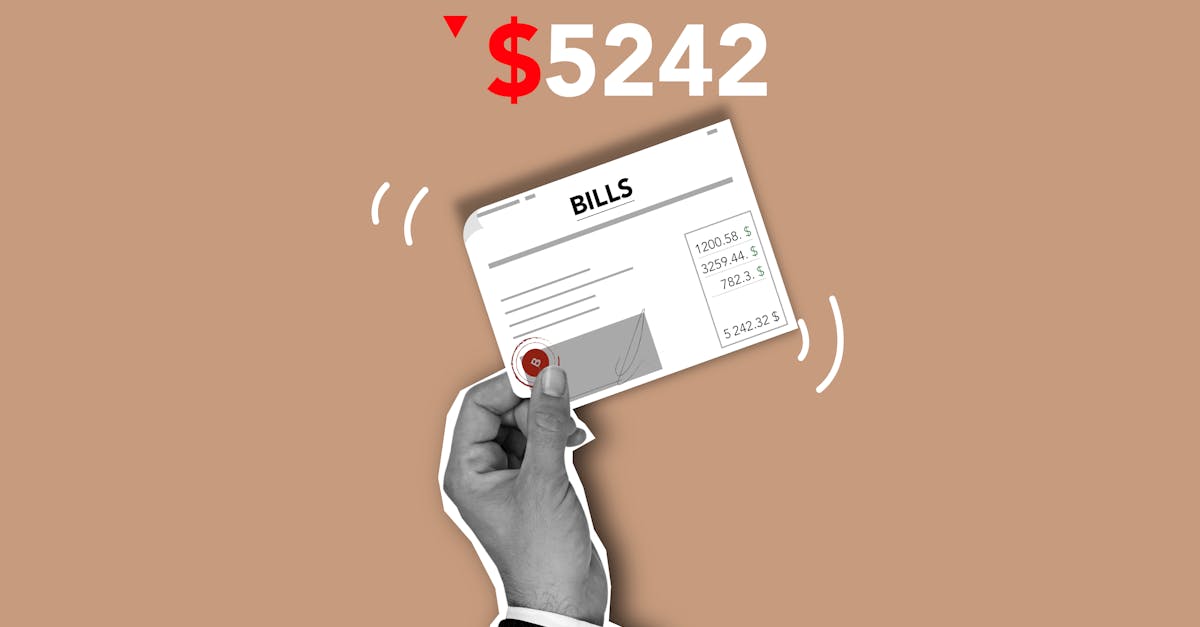
7 Overlooked Money Drains That Cost Thousands Each Year
When I first started meticulously tracking my spending, I thought I had a good handle on where my money went. I budgeted for rent, groceries, utilities, and even my occasional impulse buys. But at the end of every year, my savings account never quite matched my projections. I felt like I was constantly battling an invisible force, a silent drain on my finances that I couldn’t pinpoint.
It took me years, and a deep dive into my own financial habits, to realize that the biggest culprits weren’t the obvious big expenses. They were the insidious, overlooked money drains that, individually, seemed minor but collectively amounted to thousands of dollars annually. These aren’t the ‘cancel your streaming subscriptions’ or ‘make coffee at home’ tips you’ve heard a thousand times. These are the deeper, systemic issues and misconceptions that often go unnoticed until you start asking why your money isn’t sticking around. What changed everything for me was shifting my focus from just tracking expenses to understanding the root causes of these financial leaks. Once I identified them, I could implement targeted strategies that truly made a difference.
Key Takeaways
- Your ‘optimal’ energy-saving habits might be causing higher utility bills due to overlooked system inefficiencies.
- Believing car insurance loyalty saves money often results in overpaying thousands annually for identical coverage.
- The misconception that ‘more data’ is always better for phone plans leads to significant monthly waste without real benefit.
- Sticking with outdated bank accounts due to inertia means missing out on hundreds in potential interest and fee savings.
- Ignoring ‘small’ home maintenance tasks accelerates larger, costlier repairs, creating a cycle of reactive spending.
- Assuming bundled insurance policies are always cheaper can lead to missing out on substantial savings from separate providers.
- Relying solely on ‘best before’ dates for pantry staples unnecessarily increases grocery waste, costing hundreds each year.
Your ‘Energy-Saving’ Habits Are Likely Backfiring
Many of us diligently set our thermostats higher in summer and lower in winter, believing we’re saving a significant amount on energy. We unplug chargers, turn off lights, and pat ourselves on the back for being so energy-conscious. In my experience, while these micro-habits have some impact, they often mask larger, more expensive inefficiencies that are truly draining your wallet. The mistake I see most often is focusing on consumption without addressing the system’s ability to retain energy. It’s like trying to stop a leak in a boat with a teacup while ignoring the gaping hole in the hull.
For instance, I used to meticulously turn off every light when leaving a room. My energy bills, however, remained stubbornly high. What changed everything for me was conducting a simple home energy audit, not just relying on my habits. I discovered that my attic insulation was woefully inadequate, creating massive heat transfer regardless of my thermostat settings. I also found that older, single-pane windows were essentially open doors for conditioned air. Swapping out a few incandescent bulbs for LEDs saved me perhaps $5 a month, but upgrading my insulation and sealing drafty windows cut my heating and cooling costs by nearly $100 per month. That’s a difference of $1,140 annually.
Actionable Insight: Don’t just focus on turning things off; focus on sealing your home’s envelope. Invest in professional energy audits (many utility companies offer them for free or at a low cost) to identify hidden drafts, inadequate insulation, and inefficient windows or doors. Prioritize these structural improvements over minor behavioral changes. The initial investment might seem steep, but the annual savings can be substantial, often paying for themselves within a few years. It’s about optimizing the container, not just managing the flow within it.
Car Insurance Loyalty Costs You Thousands
There’s a pervasive myth that staying with the same car insurance provider for years eventually earns you loyalty discounts, leading to better rates. In reality, in my experience, this rarely holds true for long-term savings. The insurance industry thrives on inertia. They know most people won’t shop around, so they often quietly raise rates on existing customers year after year, offering competitive introductory rates to new clients instead. You might get a small ‘loyalty discount,’ but it’s typically a pittance compared to the increases you’re absorbing.
I learned this the hard way. For over five years, I was with the same major insurer, assuming I was getting the best deal because I never had an accident and always paid on time. Then, on a whim, I decided to get quotes from three other companies. To my shock, I found identical (or even slightly better) coverage for nearly $400 less per six-month policy period. That’s an $800 annual savings I had been missing out on just by being ‘loyal.’ And this wasn’t a one-off; I now make it a habit to shop my car insurance every 12-18 months. Almost every time, I find a better rate elsewhere, even if I end up staying with my current provider after they match a competitor’s offer. The key is to force their hand.
Actionable Insight: Never blindly renew your car insurance. Dedicate an hour every 12-18 months to gather quotes from at least three different insurance providers. Use online comparison tools, but also consider calling independent brokers who can shop multiple carriers for you. When you find a better rate for comparable coverage, contact your current insurer. They will often match or beat the offer to keep your business. This proactive approach can save you hundreds, if not thousands, of dollars each year, turning your ‘loyalty’ into leverage.
Your Phone Plan Is Over-Provisioned and Overpriced
We live in a data-driven world, and the fear of running out of mobile data often pushes us into expensive, oversized phone plans. Most people assume they need unlimited data, or a huge data bucket, just in case. However, in my observation, for the vast majority of users, this is a significant and unnecessary money drain. We often pay for far more data than we actually consume, especially with Wi-Fi being readily available at home, work, and most public places.
I used to pay $80 a month for an unlimited data plan. I was convinced I needed it because, well, everyone needs unlimited data, right? Then I started tracking my actual data usage through my phone’s settings. Month after month, I consistently used between 8-12 GB. That meant I was paying for an ‘unlimited’ plan where the extra 38-42 GB (beyond a perfectly sufficient 15 GB plan) was completely wasted. Switching to a tiered plan with a 15 GB limit, which easily covered my needs, instantly dropped my bill to $45 a month. That’s a direct savings of $35 every month, or $420 per year.
Actionable Insight: Audit your actual mobile data usage for at least three consecutive months. Most smartphones have a built-in data usage tracker in their settings. Once you have a clear picture, call your provider or research alternative plans. Look for a plan that comfortably covers your average usage, plus a small buffer, but avoid the temptation of overpriced ‘unlimited’ plans if you’re not genuinely streaming high-definition video for hours on end outside of Wi-Fi. Consider MVNOs (mobile virtual network operators) like Mint Mobile or Google Fi, which often offer much more competitive rates on the same major networks. This small adjustment can free up hundreds of dollars annually.
Sticking With an Outdated Bank Account Costs You Hundreds
Bank accounts, for many, are a set-it-and-forget-it affair. You opened one in college, or when you got your first job, and you’ve stuck with it ever since. The thought of switching banks, or even just optimizing your current accounts, feels like too much hassle. This inertia is precisely what costs people hundreds, if not thousands, of dollars each year through hidden fees, abysmal interest rates on savings, and missed opportunities for cashback or other benefits.
For years, I kept my primary checking and savings accounts with a large, traditional bank that offered 0.01% APY on savings and charged me $10 a month if my checking balance dipped below a certain threshold. I rarely dipped below, but the threat was always there, along with numerous other potential fees for transfers or out-of-network ATMs. Then I started exploring online banks and credit unions. I moved my emergency fund to a high-yield online savings account that offered 4.50% APY. The interest earnings alone amounted to over $200 in the first year on a $5,000 emergency fund – money I literally generated by doing nothing. I also found a checking account with a different online bank that offered ATM fee reimbursements and no monthly fees, regardless of balance. The mental relief of not worrying about fees, plus the tangible interest earnings, made the 30 minutes it took to switch accounts well worth it.
Actionable Insight: Evaluate your banking relationship annually. Look at your current checking account for monthly fees, ATM fees, and any other charges. Check your savings account’s APY (Annual Percentage Yield). Then, research high-yield online savings accounts and credit unions. Most online banks offer significantly better interest rates and fewer fees because they have lower overhead. If you’re paying any monthly fees on your checking account or earning next to nothing on your savings, it’s time to switch. The process is much simpler than it seems, often involving just a few online forms and direct deposit adjustments. This move can put hundreds of dollars back in your pocket each year.
Ignoring Small Home Maintenance Accelerates Big Repairs
Many homeowners, myself included in the past, fall into the trap of delaying small home maintenance tasks. A dripping faucet, a loose roof shingle, a clogged gutter, or a faint musty smell in the basement – these seem minor in isolation. The problem is, these small, inexpensive-to-fix issues are often precursors to major, extremely costly repairs. Ignoring them is not saving money; it’s simply deferring a problem while allowing it to grow exponentially. This reactive spending cycle can easily cost thousands annually in emergency fixes that could have been prevented.
I once ignored a persistent drip under my kitchen sink for months. It was just a little drip, easily caught by a bowl. But over time, that constant moisture led to warped cabinet flooring, mold growth, and eventually, a weakening of the wood structure beneath. What would have been a $5 fix (a new washer or tightening a connection) turned into a $1,200 repair involving replacing the cabinet base, treating for mold, and hiring a plumber for a more extensive fix. This wasn’t an isolated incident. I’ve seen similar patterns with leaky roofs leading to ceiling damage, or clogged gutters causing foundation issues. What changed everything for me was adopting a proactive, seasonal maintenance checklist.
Actionable Insight: Implement a seasonal home maintenance checklist. Dedicate a few hours each spring, summer, fall, and winter to inspect your home for small issues. This includes checking for leaks (faucets, pipes, roof), cleaning gutters, inspecting caulk around windows and doors, testing smoke detectors, and checking appliance hoses. Address any small problems immediately. A $10 tube of caulk or a $5 replacement washer is a tiny investment compared to the thousands you could save by preventing water damage, structural rot, or pest infestations. This shift from reactive to proactive maintenance can save you thousands in emergency repairs over the long run.
Bundling Insurance Policies Doesn’t Always Save You Money
Insurance companies heavily promote bundling home and auto policies, promising significant discounts. And often, they do provide some discount. However, the misconception is that this bundled discount automatically translates to the best overall price. In my experience, while bundling offers convenience, it can often lead to a higher total premium than if you meticulously shopped for each policy separately from different providers. The ‘discount’ might just be offsetting an inflated base price for one of the policies.
My homeowner’s insurance premium soared after a few years, even with my bundled auto policy. My agent assured me the bundle was still the most cost-effective solution. Determined to save, I obtained separate quotes. I found a different company that offered homeowner’s insurance for nearly $500 less per year, and another that offered my car insurance for $200 less than my current provider. Even without the ‘bundle discount,’ the combined cost of the two separate policies was $300 lower than my current bundled premium. This was a clear example where the convenience of one bill was costing me hundreds of dollars annually.
Actionable Insight: Always get unbundled quotes alongside bundled quotes. When shopping for home and auto insurance, get individual quotes for each policy from several different providers. Then, compare the sum of the individual lowest prices against the best bundled price. You might be surprised to find that unbundling, even without a specific ‘discount,’ can lead to greater overall savings. Treat each insurance policy as its own negotiation, and only bundle if the total combined cost is genuinely the lowest. This strategy adds a little administrative effort but can net you hundreds in savings every year.
Misinterpreting ‘Best Before’ Dates Leads to Food Waste
Food waste is a notorious money drain, and while expired produce is an obvious culprit, a significant amount of waste happens due to misinterpreting ‘best before’ or ‘sell by’ dates on pantry staples, dairy, and even some meats. Many people treat these dates as strict expiration deadlines, discarding perfectly good food unnecessarily. This cautious approach, while understandable, adds hundreds of dollars to annual grocery bills.
I used to be extremely rigid with these dates, throwing out yogurt the day after its ‘best before’ date or tossing crackers once the ‘sell by’ date passed. Then I learned the crucial distinction: ‘best before’ is about quality, not safety. ‘Use by’ or ‘expiration’ dates (mostly found on highly perishable items like raw meat or baby formula) are about safety. With that knowledge, I started trusting my senses more. Yogurt is often good for a week or more past its ‘best before’ date if stored properly. Canned goods and dried pasta can last for years beyond their printed dates. I also learned about proper food storage techniques to extend shelf life. This simple shift in understanding cut my food waste by about 30%, saving me an estimated $500-$700 annually on groceries and unnecessary replacements.
Actionable Insight: Educate yourself on food date labeling. Understand that ‘best before’ and ‘sell by’ are indicators of peak quality, not food safety. Rely on your senses (smell, sight, texture) for many stable foods, dairy, and even some cooked leftovers. Learn proper food storage techniques (e.g., storing opened cheese in parchment paper, apples in the fridge, bread in a cool, dry place). Plan your meals to use ingredients before they truly spoil, and consider freezing items close to their actual ‘use by’ dates. This change in perspective can significantly reduce food waste and lower your grocery bill.
Frequently Asked Questions
How much money can I realistically save by addressing these hidden drains?
Realistically, addressing these seven overlooked money drains could save an average household anywhere from $1,500 to $4,000+ per year, depending on your current habits and baseline expenses. For instance, combining $800 from car insurance, $400 from phone plans, $200 from banking, $1,000 from energy efficiency, $300 from unbundling insurance, and $600 from reduced food waste already totals $3,300, not including large maintenance cost avoidance.
Is it worth the effort to switch banks for higher interest rates on savings?
Absolutely. Even for smaller savings amounts, earning 4.5% APY versus 0.01% APY can mean hundreds of dollars in passive income each year. For example, a $10,000 emergency fund earning 4.5% APY will generate $450 in interest over a year, compared to just $1 from a traditional bank. The process to switch is typically straightforward and can be completed online in under an hour, making the return on effort extremely high.
How often should I shop for new insurance policies?
For car insurance, aim to get new quotes every 12 to 18 months. For home insurance, it’s wise to re-evaluate every 2-3 years, or whenever you receive a significant rate increase. Life events like buying a new car, moving, getting married, or even improving your credit score can also trigger better rates, making it a good time to shop around.
What are some common signs that my home has poor energy efficiency?
Key signs include consistently high energy bills (especially relative to similar-sized homes in your area), noticeable drafts near windows and doors, rooms that are significantly hotter or colder than others, ice dams on your roof in winter, and a furnace or AC unit that runs almost constantly. A professional energy audit can pinpoint the exact issues and recommend cost-effective solutions.
How can I reliably determine if food is still safe to eat past its ‘best before’ date?
For most non-perishable and semi-perishable items (like dairy, eggs, grains, canned goods), rely on your senses. Smell: If it smells off or sour, discard it. Sight: Look for mold, discoloration, or unusual textures. Texture: Is it slimy, unusually hard, or soft when it shouldn’t be? If in doubt, throw it out, but don’t automatically discard based solely on a ‘best before’ date. Always follow ‘use by’ or ‘expiration’ dates on high-risk items like raw meat, poultry, fish, and baby formula for safety.
The Real Shift Toward Financial Fortitude
Plugging these silent money drains isn’t just about saving a few dollars here and there; it’s about shifting your entire financial mindset. It’s moving from a reactive stance, constantly wondering where your money went, to a proactive one where you’re intentionally directing your resources. In my experience, the biggest barrier to true financial fortitude isn’t a lack of income, but rather a lack of awareness about these subtle yet significant leaks. Once you illuminate these hidden costs and replace inertia with intentional action, you’ll be amazed at how much faster your savings grow and how much more financial breathing room you create for yourself. Start with just one of these areas this week – the momentum you build will carry you through the rest. Your future self (and your bank account) will thank you.
Written by Sofia Rodriguez
Wellness and financial literacy
A seasoned community organizer passionate about sustainable living and effective communication.
You Might Also Like

Six Credit Card Rewards Mistakes That Quietly Cost You Real Money
Uncover six common credit card rewards mistakes that secretly drain your earnings, from missed bonus categories to expired points, and learn how to maximize your benefits.

A Seven-Dollar Cup of Coffee: Why It's Actually Cheaper Than Your Home Brew
Discover why your daily $7 coffee from a cafe might actually be more cost-effective than brewing at home, considering hidden expenses.
A Practical Checklist for Car Loan Refinancing Without the Money-Saving Pitfalls
Don't fall into common traps when refinancing your car loan. This checklist helps you secure genuine savings and better terms.