Why Mindfulness Meditation Fails Most People (And What Actually Works for Lasting Calm)
We’ve all been there: you carve out precious time, sit down, close your eyes, and try to ‘clear your mind.’ The instructions are simple enough: focus on your breath, acknowledge thoughts without judgment, and return to the present. Yet, for many, this often leads to more frustration than peace. Instead of finding calm, you might find your mind racing faster, your body itching to move, or a nagging feeling that you’re ‘doing it wrong.’ I’ve coached countless individuals who started their mindfulness journey with high hopes, only to abandon it after a few weeks, feeling like meditation just ‘isn’t for them.’ The truth is, the way mindfulness is often presented can be a significant barrier. It’s not a one-size-fits-all practice, and the rigid expectations surrounding it often set people up for failure.
Key Takeaways
- Traditional seated meditation isn’t the only, or even always the best, path to mindfulness for everyone.
- Integrating ‘micro-mindfulness’ moments into daily routines is often more effective and sustainable than formal sessions.
- Cultivating a sense of curious observation rather than forceful thought suppression is crucial for genuine engagement.
- Understanding and working with your brain’s natural tendencies for distraction, rather than fighting them, yields better results.
The Myth of the ‘Empty Mind’ and Why It Sets You Up to Fail
One of the biggest misconceptions about mindfulness meditation is the idea that you need to achieve an ‘empty mind’ or stop thinking altogether. This myth is profoundly damaging because it’s fundamentally at odds with how the human brain works. Your brain’s primary job is to think, to process information, to solve problems, and to predict the future. Expecting it to simply ‘turn off’ is like asking your heart to stop beating – it’s an unrealistic and ultimately frustrating demand. When people sit down to meditate with this goal, they inevitably get frustrated. Every new thought feels like a failure, a sign that they’re ‘bad at meditation.’ This often leads to a vicious cycle: you try to suppress thoughts, which only makes them more persistent (a phenomenon known as the ‘ironic process theory’ or the ‘white bear problem’), leading to increased self-criticism and eventually, giving up.
In my own journey, I spent years feeling inadequate because my mind wouldn’t quiet down. I’d sit for 20 minutes, feeling more agitated than before, convinced I was fundamentally flawed. What changed everything for me was realizing that the goal isn’t to stop thinking, but to change your relationship with your thoughts. Instead of battling them, you learn to observe them as passing phenomena, like clouds drifting across the sky. This subtle shift from ‘suppression’ to ‘observation’ is profound. It’s the difference between trying to hold back a rushing river and simply watching it flow by. It reduces the internal struggle, transforming meditation from a battle into a gentle curiosity. This allows you to experience moments of space between thoughts, which is where true calm resides, not in the absence of all thought.
Why Formal, Seated Meditation Isn’t Always the Starting Point
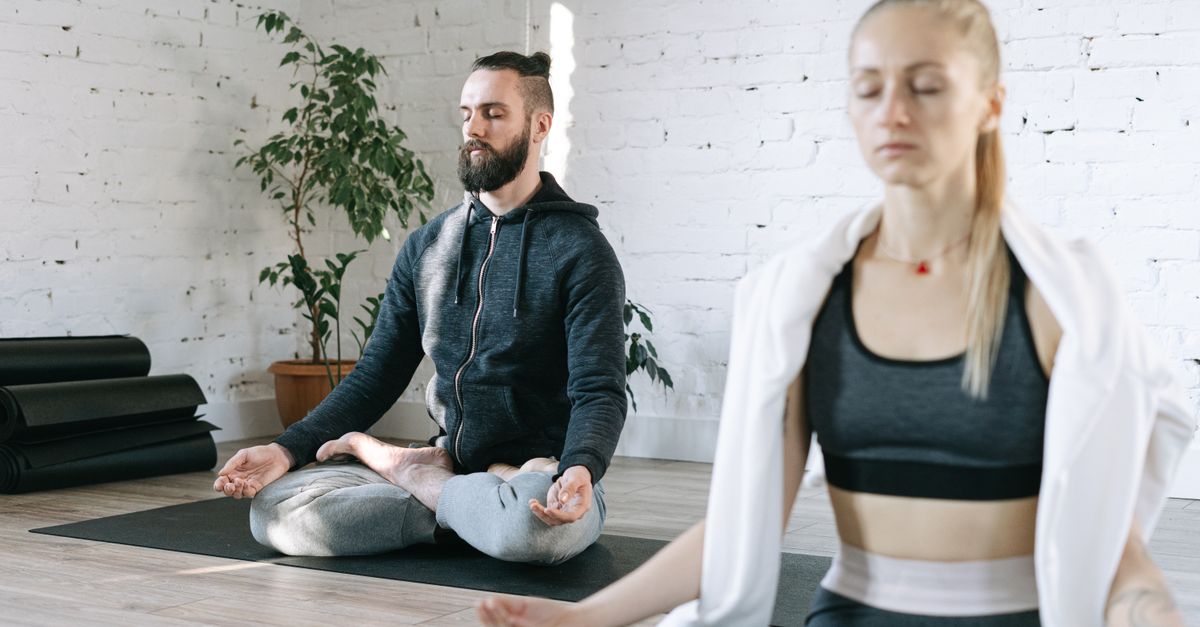
The image of a serene person sitting cross-legged, eyes closed, is iconic for a reason – it’s how mindfulness is often depicted. While formal seated meditation is a powerful practice for many, it’s not the only entry point, and for some, it’s not even the most effective. Many people struggle with the rigidity of sitting still for extended periods, especially if they have restless energy, chronic pain, or simply a deeply ingrained habit of constant movement. Forcing yourself into a posture or duration that feels uncomfortable can turn meditation into a chore, draining it of any potential benefit.
What I’ve seen work far more consistently, especially for beginners or those who feel ‘stuck,’ is to start with movement-based or activity-based mindfulness. This means engaging your senses and attention in an everyday activity. Think about washing dishes: feeling the warm water, noticing the texture of the sponge, the suds, the clinking of plates. Or walking: feeling your feet connect with the ground, the swing of your arms, the sounds around you. This isn’t ‘lesser’ mindfulness; it’s often more accessible because it leverages activities you already do, making it easier to integrate into a busy life. When I first started struggling with my own practice, I shifted my focus to mindful walking in my neighborhood. The simple act of noticing the rustle of leaves, the smell of fresh cut grass, and the distinct pressure of each footfall on the pavement helped me cultivate a sense of presence that I simply couldn’t achieve sitting still. It retrained my attention muscle in a way that felt natural and effortless, building a foundation for later, more formal practices if I chose to pursue them.
The Power of ‘Micro-Mindfulness’: Integrating Presence into Your Day
For most people, the idea of finding 20-30 minutes of uninterrupted time each day for meditation is daunting, if not impossible. Life is busy, schedules are packed, and unexpected demands constantly arise. This ‘all or nothing’ approach to mindfulness is another common reason why it fails. When people can’t commit to a daily formal session, they often give up entirely, believing they’ve missed the boat.
The game-changer for my clients, and for me personally, has been embracing ‘micro-mindfulness.’ These are short, intentional moments of presence embedded throughout your day, lasting anywhere from 30 seconds to a couple of minutes. The cumulative effect of these small moments can be far more impactful than sporadic, forced longer sessions. Think of it like physical exercise: consistent short bursts of activity can be more beneficial than one intense workout per week that leaves you exhausted and dreading the next one.
Here’s how I guide my clients to implement micro-mindfulness:
- The Three-Breath Reset: Before opening an email, answering the phone, or walking into a meeting, take three slow, deep breaths. Notice the sensation of each inhale and exhale. This simple act creates a tiny pause, shifting you from reactive mode to a more intentional state.
- Sensory Check-in: Pick one routine activity – brewing coffee, waiting for a red light, brushing your teeth – and dedicate 60 seconds to fully engaging your senses. What do you see, hear, smell, taste, or feel? Focus intently on the warmth of your mug, the specific sounds of traffic, or the minty taste of toothpaste.
- Transition Awareness: Pay attention when moving from one place or activity to another. As you walk from your desk to the kitchen, notice your body moving, the sensation of your feet, the environment around you. This prevents you from simply ‘autopiloting’ through your day.
These tiny practices don’t require special equipment or quiet rooms. They simply require a conscious decision to bring your attention to the present moment for a brief period. Over time, these small shifts build a powerful habit of presence that permeates your entire day, leading to a much more sustained and natural sense of calm and focus than any forced, infrequent formal session ever could.
Embracing Imperfection: The Key to Sustainable Practice
Perfectionism is the enemy of any sustainable habit, and mindfulness is no exception. Many newcomers approach meditation with rigid expectations: ‘I must sit perfectly still,’ ‘I must not have any thoughts,’ ‘I must feel completely peaceful.’ When these expectations aren’t met (and they rarely are, especially at first), people interpret it as a personal failure rather than a normal part of the learning process. This perfectionistic mindset often leads to quick burnout and abandonment of the practice.
What truly works for building a lasting mindfulness practice is embracing imperfection and adopting a mindset of gentle curiosity. Instead of judging your ‘performance,’ view each session, no matter how chaotic, as an opportunity to learn. If your mind is racing, that’s information. If you’re feeling restless, that’s information. The practice isn’t about controlling these experiences, but about observing them without judgment and gently redirecting your attention back to your anchor (like your breath or bodily sensations) when you notice it has wandered. This is the ‘repetition’ or ‘bicep curl’ of mindfulness – each time you notice you’re distracted and gently return, you strengthen your attention muscle.
I often tell my clients, ‘There’s no such thing as a bad meditation.’ Every session, even one filled with distraction and frustration, offers an opportunity to practice non-judgment and gentle redirection. The real ‘win’ isn’t achieving a state of blissful emptiness; it’s the consistent act of showing up, noticing what’s happening, and practicing self-compassion. For instance, after a particularly ‘noisy’ session, instead of thinking, ‘I failed,’ try reframing it as, ‘Today my mind was very active, and I got to practice bringing my attention back many times. That’s a strong workout for my focus.’ This shift in perspective transforms potential failure into a valuable learning experience, making the practice more resilient and much more likely to stick in the long run.
Frequently Asked Questions
What if I can’t stop my mind from racing during meditation?
It’s perfectly normal for your mind to race. The goal isn’t to stop thoughts, but to notice them without judgment and gently bring your attention back to your chosen anchor (like your breath). Each time you notice your mind has wandered and redirect it, you’re building your attention muscle. Try focusing on external sounds or bodily sensations if internal thoughts are overwhelming.
How long should I meditate for to see benefits?
Even short bursts of mindfulness, like 1-2 minutes, can be beneficial. Consistency is more important than duration. Start with what feels manageable, even 5 minutes a few times a week, and gradually increase if you feel inclined. The ‘micro-mindfulness’ techniques mentioned in the article are excellent starting points.
Is it okay to use guided meditations, or should I do it on my own?
Guided meditations are incredibly helpful, especially for beginners. They provide structure and gentle prompts that can make the practice much more accessible and less intimidating. Think of them as training wheels. Over time, you might feel comfortable practicing on your own, but there’s no rule against using them indefinitely.
What if I fall asleep during meditation?
Falling asleep often indicates you might be very tired, or that your posture isn’t conducive to alertness. If it happens frequently, try meditating at a different time of day, ensuring you’re well-rested, or practicing in a slightly more upright posture (e.g., in a chair with good back support) to maintain a balance of relaxation and alertness.
How can I make mindfulness a consistent habit?
Integrate it into your existing routines. Attach a micro-mindfulness moment to something you already do daily, like brushing your teeth or waiting for coffee to brew. Start small, be patient with yourself, and remember that consistency, even in small doses, beats infrequent, long sessions. Focus on the process, not just the outcome, and be kind to yourself when you miss a day – just pick it up again tomorrow.
Conclusion
Mindfulness isn’t about achieving an elusive state of perfect calm or silencing your mind; it’s about cultivating a different relationship with your internal and external experiences. The struggles many people face with traditional meditation often stem from unrealistic expectations and an ‘all or nothing’ approach. By letting go of the myth of the empty mind, starting with accessible movement-based practices, integrating ‘micro-mindfulness’ moments throughout your day, and embracing imperfection, you can build a sustainable and genuinely transformative mindfulness practice. Don’t let the common pitfalls deter you. Instead, start small, be curious, and begin to notice the profound shifts that emerge when you consistently bring gentle attention to your present moment. Your journey to lasting calm starts with just one mindful breath, right now.
Written by Sofia Rodriguez
Wellness and financial literacy
A seasoned community organizer passionate about sustainable living and effective communication.
You Might Also Like

Why the Latest Sleep Hacks Fail Most People (And What Actually Works for Real Rest)
Discover why popular sleep hacks often fall short and what truly helps you achieve deep, restorative sleep for lasting energy and mental clarity.

Why the Latest Wellness Trends Fail Most People (And What Actually Works for Sustainable Well-being)
Wellness trends often promise quick fixes but deliver fleeting results. Discover why they fall short and what truly builds lasting well-being.

Why the 'Latest Diet Fad' Fails Most People (And What Actually Works for Sustainable Health)
Discover why fleeting diet trends often lead to frustration and how shifting focus to sustainable habits can transform your health for good.