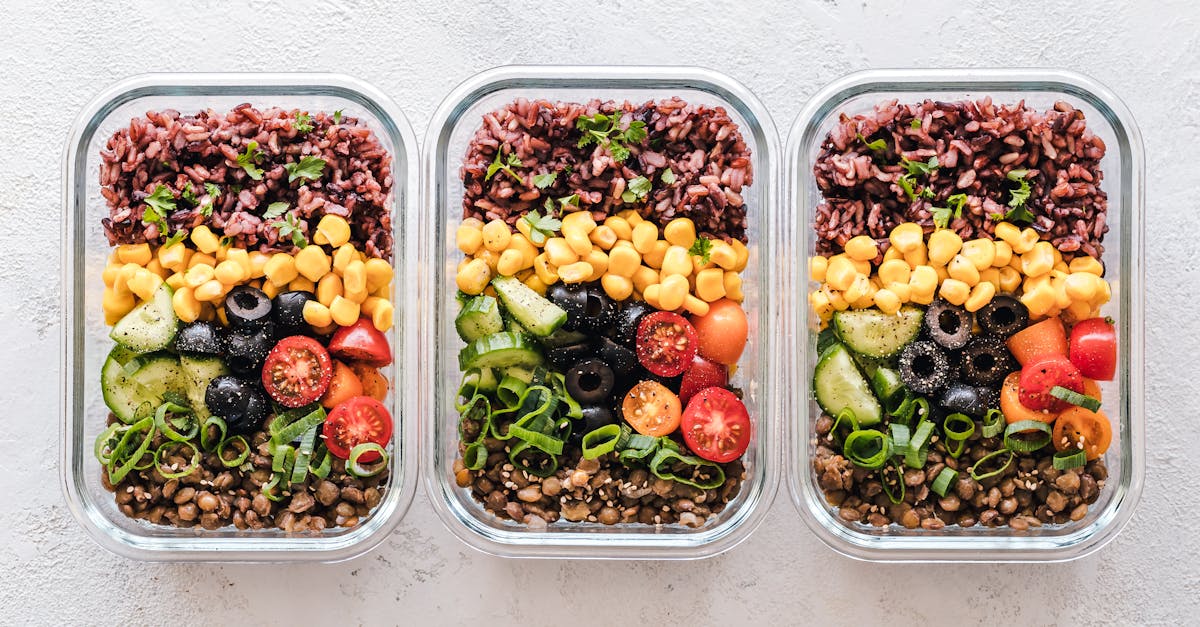
Why Meal Prepping Fails Most People (And What Actually Works for Sustainable Healthy Eating)
You’ve seen the glossy Instagram posts: perfectly portioned meals in neat containers, promising a week of healthy eating, saved time, and banished decision fatigue. You’ve probably even tried it yourself, diligently chopping, cooking, and packing on a Sunday afternoon, only to find yourself by Wednesday staring into the fridge, utterly uninspired by the identical chicken and broccoli, or worse, ordering takeout because your prepped meals just don’t sound good anymore. The dream of effortless healthy eating quickly devolves into food waste, frustration, and a renewed conviction that you’re just not ‘good’ at meal prepping.
I’ve been there. For years, I cycled through intense meal prep phases, only to abandon them within a few weeks. It felt like a constant battle against boredom, unexpected cravings, and a general feeling of being locked into a culinary straitjacket. What I eventually realized was that the conventional approach to meal prepping—the one dictating identical meals for days on end—is fundamentally flawed for most people. It neglects human psychology, the need for variety, and the reality of dynamic daily lives. It’s not you; it’s the method. The key isn’t to prep less, but to prep smarter, with flexibility and variety built into the core of your strategy.
Key Takeaways
- Traditional meal prepping often fails due to a lack of variety, leading to food fatigue and takeout cravings by mid-week.
- Focus on prepping individual components (e.g., grains, proteins, roasted vegetables) rather than full, identical meals to allow for daily customization.
- Implement a ‘cook once, eat thrice’ strategy by transforming leftovers into entirely new dishes for fresh flavors.
- Prioritize a diverse ingredient list with ample herbs, spices, and sauces to keep meals exciting without extra cooking.
The Monotony Trap: Why Identical Meals Lead to Burnout
The biggest silent killer of meal prep ambitions is monotony. Imagine eating the same chicken breast, steamed broccoli, and brown rice for lunch and dinner, Monday through Friday. It sounds efficient on paper, but in practice, it’s a recipe for culinary boredom. Our brains are wired for novelty and variety, especially when it comes to food. When you repeatedly expose yourself to the same flavors and textures, your palate grows fatigued, and your brain starts actively seeking out alternatives. This isn’t a lack of discipline; it’s a fundamental biological response. Your body is telling you, ‘I need something different.’
In my early meal prep attempts, I’d meticulously pack five identical servings of a healthy stir-fry. By Tuesday, I was already dreaming of a spicy taco or a creamy pasta. By Thursday, that stir-fry felt like a chore, and the temptation to order pizza became irresistible. The problem wasn’t the healthiness of the meal; it was its predictability. This led to wasted food, as I’d ditch the prepped meals for something more appealing, and wasted effort, as those hours spent cooking on Sunday felt increasingly pointless. What changed everything for me was embracing the idea of component prepping instead of full meal prepping. Instead of creating five identical stir-fries, I’d roast a big batch of sweet potatoes, cook a large pot of quinoa, grill a tray of chicken breasts, and chop a variety of raw vegetables. This gave me a pantry of healthy building blocks I could combine in different ways each day, satisfying my craving for variety without sacrificing efficiency.
The ‘Assembly Line’ Approach: Cook Components, Not Meals
This is where the magic truly happens: shift your focus from cooking meals to cooking components. Think of your kitchen as a food factory where you’re preparing raw materials that can be assembled into diverse products throughout the week. This strategy addresses the monotony problem head-on and significantly reduces the mental load of meal planning.
Here’s how I approach it:
- Grains: Cook a large batch of quinoa, brown rice, farro, or even a mix of roasted root vegetables. These are versatile bases for bowls, salads, or side dishes. I often make enough for 4-5 servings.
- Proteins: Prepare two to three different protein sources. This could be grilled chicken, baked salmon, hard-boiled eggs, cooked lentils, or roasted chickpeas. Having variety here is crucial. For example, I might grill chicken breast for two meals and roast a tray of seasoned tofu for another two. This means I’m not eating the exact same protein every day.
- Vegetables: This is where you can go wild. Roast a big tray of mixed veggies (broccoli, bell peppers, zucchini, carrots), steam some green beans, and have a selection of fresh salad greens and chopped raw vegetables (cucumbers, tomatoes, shredded cabbage) ready to go. The more colors and textures, the better.
- Flavor Boosters: Don’t underestimate the power of sauces, dressings, and spices. A plain chicken breast can become Mediterranean with tzatziki, Asian with a peanut dressing, or Mexican with salsa and avocado. Prep a homemade vinaigrette, a batch of hummus, or even just ensure you have a variety of store-bought sauces on hand. This is the secret weapon for preventing boredom.
By having these components ready, each meal becomes an opportunity for creative assembly. Monday’s lunch might be quinoa with grilled chicken and roasted vegetables with a lemon-tahini dressing. Tuesday’s dinner could be a big salad with mixed greens, roasted chickpeas, bell peppers, and a different vinaigrette. The effort is minimal, but the perceived variety is high, keeping your palate engaged and your healthy eating on track.
The ‘Cook Once, Eat Thrice’ Principle: Repurpose, Don’t Reheat Identically
One of the biggest mistakes I see people make is simply reheating the exact same leftover meal day after day. While convenient, it contributes heavily to food fatigue. Instead, adopt the ‘cook once, eat thrice’ principle, where you consciously plan to transform leftovers into something new and exciting. This requires a little forethought but pays dividends in enjoyment and sustainability.
Consider a scenario where you’ve roasted a whole chicken for Sunday dinner. Instead of packing leftover chicken, potatoes, and carrots for Monday and Tuesday, think about how to give those ingredients a new life:
- Meal 1 (Sunday): Roasted chicken dinner with potatoes and carrots.
- Meal 2 (Monday Lunch): Shred the leftover chicken, mix it with some celery, grapes, and a light Greek yogurt dressing for a fresh chicken salad sandwich or lettuce wraps. Use the roasted potatoes and carrots as a side, perhaps mashed with a touch of garlic and herbs.
- Meal 3 (Tuesday Dinner): Use the remaining shredded chicken to make chicken tacos or quesadillas with fresh salsa and avocado. Alternatively, toss it into a quick soup with some broth, chopped vegetables, and noodles. The roasted vegetables could be pureed into a creamy soup base.
This approach works for nearly any base ingredient. Leftover rice can become fried rice, a base for a grain bowl, or even rice patties. Leftover chili can top baked potatoes or become a component in a hearty burrito bowl. The key is to have a few go-to transformation ideas for your most common prepped items. This keeps your meals feeling fresh and prevents that ‘déjà vu’ sensation that often leads to reaching for the takeout menu.
Strategic Seasoning & Sauce Stash: Your Flavor Arsenal
Healthy eating doesn’t have to be bland, and yet, many meal preppers inadvertently create bland food by relying on minimal seasoning to keep things ‘simple.’ The truth is, a diverse array of seasonings and sauces is your most powerful tool against boredom and a major driver of sustainable healthy eating. This is where your financial literacy can also come into play; investing in a well-stocked spice cabinet is often cheaper and healthier than relying on pre-made, high-sodium sauces.
My pantry is always stocked with an array of spices: cumin, paprika, chili powder, oregano, garlic powder, onion powder, and various curry blends. I also have a dedicated ‘sauce shelf’ in my fridge with staples like sriracha, soy sauce, rice vinegar, tahini, pesto, and a few different hot sauces. These aren’t just for cooking; they’re for assembling.
When I’m making my component proteins, I’ll often season them simply—salt, pepper, maybe garlic powder. But the flavor profile for the meal comes from the combination of components and the dressing or sauce added at the moment of eating. This allows for immense flexibility. That same grilled chicken can be:
- Mediterranean: with hummus, chopped cucumber, tomato, and a drizzle of olive oil and oregano.
- Mexican: with salsa, avocado, a squeeze of lime, and a sprinkle of chili powder.
- Asian: with a quick peanut sauce, shredded carrots, and a dash of soy sauce.
Investing in quality herbs, spices, and versatile sauces means you can take simple, prepped components and create wildly different taste experiences with minimal effort just before you eat. This isn’t about adding extra cooking; it’s about adding intelligent flavor layers that keep your palate excited and your commitment to healthy eating strong.
The ‘Snack & Supplement’ Strategy: Fill the Gaps Intelligently
Even with the best meal prepping intentions, sometimes hunger strikes between meals, or you just don’t feel like eating your prepped lunch. This is where a strategic snack and supplement strategy comes in. Failing to account for these moments often leads to grabbing unhealthy convenience foods or ordering takeout, completely derailing your efforts.
I always keep a stash of easy-to-grab, healthy snacks available. This isn’t just about fruit and nuts (though those are great). Think about things that genuinely satisfy. My go-to list includes:
- Pre-portioned Greek yogurt with a sprinkle of berries or a dash of cinnamon.
- Hard-boiled eggs (I often prep a dozen at the beginning of the week).
- Homemade energy bites made with oats, nut butter, and chia seeds.
- Cheese sticks or cottage cheese for a quick protein boost.
- Veggies and hummus (pre-chopped carrots, bell peppers, celery).
- Edamame (steamed and ready to eat).
Additionally, I’ve found that having one or two ‘backup meals’ ready to go is invaluable. This isn’t a prepped meal, but rather ingredients that can be quickly thrown together if my primary prep doesn’t appeal. This might be a can of tuna, a bag of frozen shrimp, or a package of whole-wheat tortillas. If my prepped lunch feels boring, I can quickly make a tuna melt or shrimp tacos instead of giving up entirely. This strategy acknowledges that life isn’t always perfectly predictable and builds in a buffer against unforeseen cravings or lack of enthusiasm.
Flexibility is the Ultimate Ingredient: Adapting to Your Life
The biggest lesson I learned about sustainable meal prepping is that rigidity is the enemy. Life happens. Your plans change. Your cravings shift. A meal prep strategy that doesn’t account for this will inevitably fail. The goal isn’t perfect adherence; it’s consistent progress and making healthy eating as easy and enjoyable as possible, most of the time.
This means building in buffers and acknowledging that some weeks will be different. If I know I have a busy week, I might simplify my component prep even further, focusing on just one protein and one grain, relying more on fresh salads and quick sauces. If I know I have a social dinner planned, I adjust my prep to ensure I’m not over-preparing food that will go to waste.
It also means giving yourself permission to deviate. If you’re craving a pizza on a Tuesday, enjoy the pizza. The occasional deviation won’t derail your entire healthy eating journey. What will derail it is feeling so restricted and deprived by your meal prep that you throw in the towel completely. View your meal prep as a supportive framework, not an unbreakable contract. It’s there to make healthy choices easier, not to make you miserable.
In my experience, the shift from rigid, identical meal prepping to a flexible, component-based assembly system was a game-changer for my wellness and financial literacy. I save money by reducing food waste, I eat healthier because I enjoy my meals, and I save time by not having to cook from scratch every day. It’s about working with your habits and preferences, not against them.
Frequently Asked Questions
Q: How long do component-prepped foods typically last in the fridge?
A: Most cooked components like grains, roasted vegetables, and cooked proteins (chicken, lentils) will last 3-4 days in airtight containers in the refrigerator. Hard-boiled eggs are good for up to a week. For longer storage, you can freeze some components, like cooked grains or chili, and thaw as needed.
Q: What if I only cook for one person? Is meal prepping still worth it?
A: Absolutely! For single individuals, component prepping is even more efficient. You can cook larger batches once and then portion them out for 3-4 meals without having to cook every day. The variety aspect is also crucial to prevent boredom when you’re the only one eating the food.
Q: What are some common mistakes to avoid when starting component prepping?
A: Avoid cooking too much of any one item that you don’t genuinely enjoy. Start with fewer components and build up. Don’t forget flavor boosters like sauces and spices, as they are key to variety. Also, don’t feel pressured to prep every single meal; start with lunches or dinners and expand as you get comfortable.
Q: How do I handle unexpected changes in my schedule or cravings with a prep strategy?
A: This is where flexibility comes in. Have backup ingredients (e.g., frozen meals, quick-cooking proteins) for days you can’t eat your prep. Allow yourself occasional deviations without guilt. The goal is most meals being healthy, not all. Adjust your prep for the following week if you find a certain component isn’t working for your current cravings.
Q: How can I make my prepped meals more exciting without adding a lot of extra cooking?
A: Focus on your ‘flavor arsenal.’ Use different dressings, hot sauces, fresh herbs, and spices to change the profile of your basic components. Add toppings like nuts, seeds, cheese, avocado, or a fried egg to elevate a simple bowl. Small additions at mealtime make a big difference in enjoyment.
Written by Sofia Rodriguez
Wellness and financial literacy
A seasoned community organizer passionate about sustainable living and effective communication.
You Might Also Like

Why the Latest Sleep Hacks Fail Most People (And What Actually Works for Real Rest)
Discover why popular sleep hacks often fall short and what truly helps you achieve deep, restorative sleep for lasting energy and mental clarity.

Why the Latest Wellness Trends Fail Most People (And What Actually Works for Sustainable Well-being)
Wellness trends often promise quick fixes but deliver fleeting results. Discover why they fall short and what truly builds lasting well-being.

Why the 'Latest Diet Fad' Fails Most People (And What Actually Works for Sustainable Health)
Discover why fleeting diet trends often lead to frustration and how shifting focus to sustainable habits can transform your health for good.