Why Gratitude Journals Fail Most People (And What Actually Works)
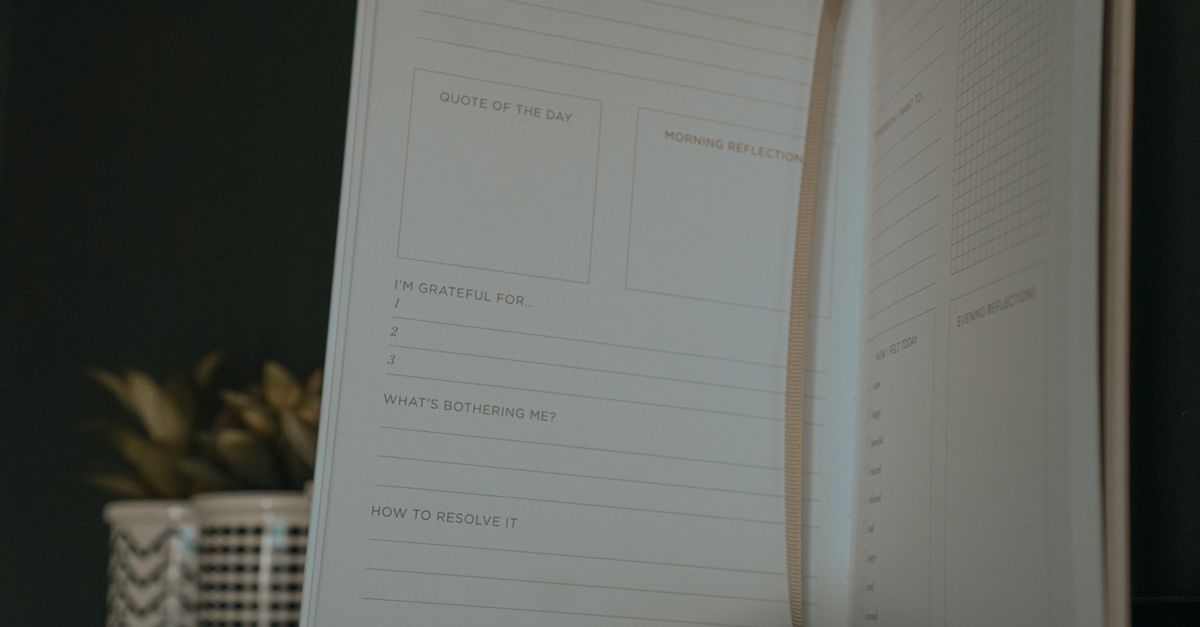
You’ve probably heard the advice: start a gratitude journal. Write down three things you’re grateful for every day, and watch your outlook transform. Sounds simple, right? For many, including myself when I first tried it, it is simple – simply ineffective. I’d dutifully jot down “coffee,” “sunny weather,” “my cat,” and then feel… nothing much. A week later, the journal would be gathering dust, and I’d be back to my usual stress-riddled routine, wondering why this widely praised practice felt like just another chore I couldn’t stick with. The problem isn’t gratitude itself; it’s the superficial way most people approach it. We’re taught the what but not the how – the deep, intentional practice that shifts your brain chemistry and truly changes your perspective.
The real power of gratitude lies not in simply listing things, but in feeling them. It’s about cultivating a specific emotional state that rewires your brain to seek out positive experiences more readily. When done correctly, gratitude isn’t just a feel-good exercise; it’s a potent tool for stress reduction, improved relationships, and increased resilience. The mistake I see most often is treating it like a shopping list rather than a mindfulness exercise. What changed everything for me was shifting my focus from quantity to quality, from passive observation to active engagement. If you’ve tried gratitude journaling and given up, or if you’re curious about a more impactful approach, this article is for you. I’ll share why conventional methods fall short and the practical, evidence-based techniques that have transformed my own practice and the lives of those I’ve guided.
Key Takeaways
- Generic gratitude lists often fail because they lack emotional depth and quickly become repetitive, offering minimal brain rewiring.
- True gratitude requires specific detail and engaging multiple senses to evoke a genuine emotional response, not just cognitive recognition.
- Integrating gratitude into difficult moments by reframing challenges as opportunities for growth builds resilience and a stronger appreciation for life.
- Consistent, diverse gratitude practices, including expressing thanks directly to others, amplify impact beyond personal journaling.
The Problem with the “Three Good Things” List: Superficiality Breeds Boredom
When most people start a gratitude journal, they’re told to write down 3-5 things they’re grateful for each day. This advice, while well-intentioned, often leads to a quick burnout. Why? Because it encourages a superficial scan rather than a deep dive. Think about it: after a few days, you’re likely to list variations of the same few things: a roof over your head, food, your pet, sunshine. This quickly becomes repetitive, and your brain, being an efficiency machine, starts to disengage. It’s like mindlessly scrolling through a social media feed – you see things, but nothing truly registers or leaves a lasting impact.
The human brain thrives on novelty and depth. If your gratitude practice feels like checking boxes, it won’t activate the neural pathways associated with genuine appreciation and positive emotion. In my experience, the initial burst of enthusiasm for a new habit is quickly replaced by a sense of obligation. I remember one client who came to me frustrated, saying, “I’ve been writing ‘my bed’ for three weeks straight! I’m grateful for it, but I don’t feel grateful anymore. It’s just a thing I write down.” This perfectly encapsulates the core issue: a lack of emotional resonance. For gratitude to work its magic, it needs to move beyond intellectual acknowledgment and tap into the emotional centers of your brain. The mere act of writing words on a page without a corresponding feeling is akin to reading a recipe without ever cooking the meal – you have the information, but you don’t experience the transformation.
The Power of Specificity and Sensory Detail: Engaging Your Whole Being
The most common reason gratitude lists fail is their lack of specificity. “My coffee” is a good start, but “the rich, dark aroma of my freshly brewed French roast, the comforting warmth of the mug in my hands, and that first sip of bold, slightly bitter liquid that signals the start of my productive day” is entirely different. The latter isn’t just a list item; it’s an experience. This is where the true power lies: engaging your senses and delving into the why behind your gratitude.
To make your gratitude practice truly effective, you need to become a detective of joy. Instead of broad categories, focus on micro-moments. What exactly about that coffee made you grateful? Was it the ritual? The taste? The quiet moment it afforded you? When you specify, you activate more parts of your brain. Try this: pick one thing you listed previously, like “my friend,” and expand on it. Instead of just “my friend,” think: “I’m grateful for Sarah’s infectious laugh that always brightens my mood, especially when she told that ridiculous story last Tuesday, making me snort-laugh so hard my abs hurt.” This kind of detail is what psychologists call “affective deepening” – it deepens the emotional impact. It forces your brain to re-experience the moment, flooding it with the positive emotions you felt then.
Beyond just writing, try to engage as many senses as possible when recalling a moment of gratitude. What did you see, hear, smell, taste, touch? Who was there? What was the weather like? This multi-sensory recall strengthens the neural pathways associated with positive emotions, making it easier for your brain to access those feelings in the future. It moves your practice from a cognitive exercise to an embodied experience, which is far more potent for sustainable change.
Beyond the Good: Cultivating Gratitude in Adversity for True Resilience
Many assume gratitude is only for the good times, a sunshine-and-rainbows exercise. This limited view overlooks one of its most powerful applications: cultivating appreciation in the face of challenges. When you’re only grateful for things going well, you’re building a fragile form of gratitude, one that crumbles when life gets tough. True resilience comes from finding glimmers of gratitude even in difficult situations. This isn’t about being Pollyannaish or ignoring pain; it’s about acknowledging the struggle while actively searching for lessons, growth, or unexpected support that emerges from it.
For instance, I once faced a significant financial setback that felt crushing at the time. My initial instinct was despair. But, after allowing myself to feel the frustration, I made a conscious effort to shift my perspective. I started noting the unexpected ways friends rallied around me, the renewed clarity I gained about my priorities, and the creativity I had to tap into to find solutions. I realized I was grateful for the forced introspection, the opportunity to reassess my spending habits, and the incredible generosity of my community. This wasn’t easy, and it didn’t erase the difficulty, but it prevented me from spiraling into complete negativity.
This practice is often called “post-traumatic growth” or “adversarial growth.” It’s the understanding that even our biggest struggles can contain seeds of wisdom, strength, and connection. When you consciously look for these, you’re not denying the pain, but you’re actively seeking the silver lining – however small. It strengthens your ability to navigate future challenges, knowing that even in the darkest moments, there’s always something to learn or appreciate. This deeper form of gratitude is what builds genuine mental fortitude, making it a far more impactful practice than simply listing pleasantries on a good day.
The “Contrasting” Technique: Highlighting Value Through Absence
One of the most effective ways I’ve found to deepen gratitude is through the “contrasting” technique. This method encourages you to consider what your life would be like without the things you’re grateful for. By imagining the absence, the presence becomes all the more vivid and appreciated. It’s a psychological trick that brings the value of something into sharper focus, moving it from the background of your daily life to the forefront of your awareness.
Let’s take “good health.” Instead of just writing it down, spend a few moments imagining a day where you wake up with a debilitating illness, unable to move without pain, or struggling with a chronic condition that saps your energy. Picture the frustration, the limitations, the loss of independence. Then, return to your current state of relative health. Feel the difference. Notice the ease with which you can walk, breathe, think, or simply perform daily tasks without discomfort. The contrast magnifies your appreciation for the present moment of wellness.
I used this technique extensively after a minor injury sidelined me from my regular fitness routine. While recovering, I yearned for the simple ability to run or lift weights without pain. When I was finally cleared to resume, I didn’t just feel relieved; I felt profoundly grateful for every single pain-free movement, a gratitude I hadn’t felt when my body was perfectly healthy. This technique helps to snap you out of the habituation effect – the tendency to take positive things for granted because they’re consistently present. By momentarily removing something in your mind’s eye, you reset its perceived value, making your gratitude practice fresh and impactful every time.
Expressing Gratitude Actively: Beyond the Journal
While personal reflection in a journal is a vital component, true gratitude flourishes when it’s expressed actively. Keeping your appreciation solely within your own thoughts or on the pages of a notebook limits its full potential. The act of expressing gratitude to others not only amplifies your own positive feelings but also strengthens your relationships and creates a ripple effect of positivity in your social circle. This is where gratitude transforms from a personal practice into a powerful interpersonal tool.
Think about the last time someone genuinely thanked you, not just with a quick “thanks,” but with specific appreciation for something you did or said. How did that make you feel? Most likely, it made you feel valued, seen, and appreciated. The same holds true when you offer that to someone else. Make it a point to regularly express your thanks – not just for grand gestures, but for everyday kindnesses. A colleague who offered a helpful suggestion, a friend who listened patiently, a barista who remembered your order with a smile.
One simple, yet incredibly effective, practice I adopted is writing a short thank-you note once a week. It doesn’t have to be formal; a text or email with genuine sentiment works too. “Hey Sarah, I was just thinking about how much I appreciated your advice on X last week. It really helped me navigate Y, and I’m so grateful for your insights.” This level of specificity and directness is far more impactful than a generic thank you. It tells the other person you truly saw and valued their contribution. It’s a powerful two-way street: the act of writing solidifies your own feeling of gratitude, and the recipient benefits from knowing their actions matter. This external expression is often the missing link for many who struggle to make gratitude a lasting, meaningful part of their lives.
Consistency and Diversification: Keeping the Practice Fresh and Engaging
The final reason gratitude journals fail is a lack of sustained interest, which often stems from a monotonous practice. If you do the same thing every day, even the most profound practice can become stale. To keep gratitude alive and impactful, you need consistency and diversification. Think of it like a workout routine: doing the same three exercises every day will lead to plateaus and boredom. You need to mix it up to challenge different muscle groups and maintain motivation.
Consistency means making it a regular habit, perhaps tying it to an existing routine like your morning coffee or evening wind-down. But diversification means having a toolbox of different gratitude practices to choose from. On some days, you might use the specificity technique for a single profound item. On others, you might use the contrasting technique. Some days you might simply take five minutes to meditate on feelings of appreciation. Other times, you might spend five minutes composing a thoughtful thank-you text to someone.
Consider a “gratitude jar” where you write down one grateful moment on a slip of paper each day and store it. On a difficult day, or at the end of the year, you can empty it out and read through all the positive memories. Or, try a “gratitude walk” where you consciously look for things to appreciate in your immediate environment – the scent of rain, the sound of birds, the patterns in the sidewalk. The key is to keep your brain engaged and prevent the practice from becoming rote. By having a varied approach, you ensure that gratitude remains a dynamic, fresh, and deeply impactful part of your daily life, continuously fostering a more positive and resilient mindset.
Frequently Asked Questions
Q: How long should I spend on gratitude journaling each day for it to be effective?
A: The quality of your gratitude practice is far more important than the quantity of time. Aim for 5-10 minutes of intentional reflection, focusing on specificity and evoking genuine emotion, rather than simply listing items. If you find yourself rushing or being superficial, it’s better to do it for less time with more depth.
Q: What if I can’t think of anything new to be grateful for?
A: This is a common challenge that indicates you might be approaching gratitude too broadly. Try the “specificity and sensory detail” technique by focusing on micro-moments. Use the “contrasting” technique to appreciate things you usually take for granted. Also, broaden your view beyond just “good things” – consider lessons learned from challenges or small acts of kindness you witnessed.
Q: Is there a specific time of day that’s best for gratitude practices?
A: There’s no single best time; it depends on your personal routine. Many find success by integrating it into their morning routine to set a positive tone for the day, or as part of their evening wind-down to reflect on the day’s positives. The most important factor is consistency, so choose a time you can realistically commit to daily.
Q: How can I make gratitude more than just a fleeting thought?
A: To make it stick, you need to engage your emotions and senses. Don’t just list; describe why you’re grateful and how it makes you feel. Consider who was involved, what you saw, heard, or even smelled. The deeper you delve into the experience, the more lasting its impact will be on your brain and emotional state.
Q: Can gratitude truly help with stress or anxiety?
A: Absolutely. When you actively practice gratitude, you shift your brain’s focus away from threats and towards positive experiences, which can reduce the activity in areas associated with fear and anxiety (like the amygdala). Regular gratitude can also increase dopamine and serotonin levels, promoting feelings of contentment and reducing stress hormones like cortisol, thereby building greater emotional resilience over time.
If you’ve walked away from gratitude journaling feeling like it just wasn’t for you, I hope this deep dive has offered a new perspective. The problem isn’t your inability to feel grateful; it’s likely the method you were taught. By moving beyond superficial lists and embracing specificity, sensory detail, contrasting, and active expression, you can transform a mundane task into a profound practice that genuinely rewires your brain for a more positive and resilient outlook. My personal journey with gratitude went from reluctant obligation to an indispensable tool for navigating life’s ups and downs, simply by understanding these nuances. Don’t just write down what you’re grateful for; feel it, experience it, and share it. Start with one specific, vivid moment today, and watch how it begins to shift your world.
Written by Sofia Rodriguez
Wellness and financial literacy
A seasoned community organizer passionate about sustainable living and effective communication.
You Might Also Like

Why the Latest Sleep Hacks Fail Most People (And What Actually Works for Real Rest)
Discover why popular sleep hacks often fall short and what truly helps you achieve deep, restorative sleep for lasting energy and mental clarity.

Why the Latest Wellness Trends Fail Most People (And What Actually Works for Sustainable Well-being)
Wellness trends often promise quick fixes but deliver fleeting results. Discover why they fall short and what truly builds lasting well-being.

Why the 'Latest Diet Fad' Fails Most People (And What Actually Works for Sustainable Health)
Discover why fleeting diet trends often lead to frustration and how shifting focus to sustainable habits can transform your health for good.