
The Hidden Cost of 'Convenient' Online Shopping That Nobody Talks About
We’ve all been there: It’s 10 PM, you’re curled up on the couch, and a fleeting thought about needing a new kitchen gadget or a specific type of workout wear turns into a quick scroll, a few clicks, and a ‘confirm order’ message. The package arrives two days later, bringing a tiny hit of dopamine. It feels efficient, effortless, and, above all, convenient. But what if this seemingly harmless convenience is quietly eroding your financial stability and even your mental well-being in ways you haven’t considered?
As someone who has spent years helping individuals untangle their finances and understand their spending habits, I’ve seen a consistent pattern emerge: the insidious creep of online shopping. It’s not just the obvious purchases that drain bank accounts; it’s the hidden costs—the psychological triggers, the environmental impact, and the opportunity costs—that truly add up. Many clients come to me perplexed by their shrinking savings, convinced they’re not spending much, only for us to discover a significant portion of their income vanishing into the digital shopping cart. They’re often shocked to learn that what felt like a smart, time-saving choice was actually a significant financial leak. In my experience, focusing solely on the price tag misses the bigger picture entirely.
Key Takeaways
- Online shopping encourages frequent, lower-value purchases that cumulatively drain finances more than infrequent large ones.
- The perceived ‘convenience’ often masks a lack of mindful decision-making, leading to impulse buys and unnecessary clutter.
- The constant exposure to targeted ads and promotions creates an artificial sense of urgency and desire, eroding financial resilience.
- Adopting a ‘cooling-off period’ for purchases and consciously tracking micro-transactions can significantly curb overspending.
The Illusion of Savings: How ‘Good Deals’ Keep You Spending
One of the most significant hidden costs of online shopping is the illusion of savings. Retailers are masters at marketing discounts, flash sales, and free shipping thresholds. You see a banner screaming ‘50% off!’ or ‘Spend $75 for free delivery!’ and instantly, your brain registers a positive. You’re getting a deal. The problem? This often leads to buying things you didn’t need in the first place, or adding extra items to your cart just to hit that free shipping minimum.
I worked with a client, Sarah, who prided herself on being a savvy shopper. She’d track prices, use coupon codes, and always waited for sales. However, when we looked at her bank statements, she was spending nearly $400 a month on online purchases, primarily for home goods and clothing. Each individual item might have been ‘on sale’ for $15-$30, but the sheer volume was staggering. She wasn’t saving money; she was spending more because things were on sale. The mental calculus flips: instead of asking ‘Do I need this?’ she was asking ‘Is this a good deal?’ The insidious nature of this is that the brain registers a ‘win’ with each discount, despite the net effect being a significant financial loss. What changed everything for her was when we started calculating the true cost – not just the price, but the price multiplied by the number of times she bought things she wouldn’t have otherwise considered. She discovered she could save nearly $250 a month by simply ignoring most sales and only buying items when she genuinely needed them, regardless of a discount.
The ‘Tiny Purchase’ Trap: Death by a Thousand Clicks
Offline, a trip to the store involves effort: getting dressed, driving, walking aisles, waiting in line. This friction acts as a natural barrier to impulse buying. Online, that friction is almost entirely removed. You can buy a $5 item with the same ease as a $500 item. This leads to what I call the ‘tiny purchase’ trap. You don’t think twice about adding that $7 face mask, $12 phone accessory, or $9 ebook to your cart. Individually, they feel insignificant. Collectively, they become a black hole for your disposable income.
I often see this with subscription services or digital content purchases. A $4.99 app here, a $9.99 streaming service there, a $1.99 in-game purchase. These micro-transactions often fly under the radar because they don’t trigger the same psychological alarm bells as a single, large purchase. A client once told me he only ‘splurged’ on a new gaming console every few years, yet his monthly bank statement showed over $100 in various small digital purchases—games, in-app upgrades, and digital subscriptions he barely used. The mistake I see most often is people not adding these up. When you tally these small, frequent purchases over a month or a year, the numbers are often shocking, far exceeding what they might spend on a single ‘luxury’ item they’ve genuinely saved for. What worked for him was setting up a separate tracking sheet specifically for any digital purchase under $20. The visual accumulation alone was enough to make him pause.
The Mental Toll: Decision Fatigue and Constant Desire
Beyond the financial impact, online shopping exacts a significant mental toll. The constant bombardment of targeted ads, personalized recommendations, and ‘limited-time offers’ creates an environment of perpetual desire and decision fatigue. Every scroll presents a new ‘must-have’ item, tapping into our innate human desire for novelty and improvement. Even if you don’t buy, your brain expends energy processing these stimuli.
Think about it: how many times have you opened social media to connect with friends, only to find yourself scrolling through an endless feed of products you ‘might like’? This constant exposure normalizes consumption and subtly convinces us that our current possessions are somehow inadequate. It fosters a mindset of lack rather than abundance. In my experience, this incessant digital noise makes it harder for individuals to discern true needs from fleeting wants. It’s a continuous mental battle against persuasive algorithms designed to keep you engaged and, ultimately, buying. People often feel a vague sense of dissatisfaction or a constant urge to ‘improve’ their lives through purchases, without pinpointing the root cause. A simple, yet profound, change for many has been to implement ‘no-scroll zones’—specific times or places where they intentionally avoid any form of social media or shopping sites, giving their minds a much-needed break from commercial persuasion.
The Opportunity Cost: What You’re Not Doing With That Money
Perhaps the most overlooked hidden cost of online shopping is the opportunity cost. Every dollar spent on an unnecessary item online is a dollar that cannot be used for something more meaningful. This could be building an emergency fund, investing in your future, paying down debt, funding a meaningful experience, or contributing to a cause you care about.
Let’s put some concrete numbers to this. If you spend an extra $100 per month on online impulse buys (which is a conservative estimate for many people), that’s $1,200 a year. Over ten years, that’s $12,000. If that $100/month were invested at a modest 7% annual return, it would grow to over $17,000 in ten years. That’s the vacation, the down payment on a car, or a significant chunk of a child’s education fund that vanishes into trivial purchases. The hidden cost isn’t just the price of the item; it’s the future potential of that money. What changed everything for many of my clients was creating a ‘Future Self’ fund. Instead of just seeing money leave their account for online shopping, they visualized where that same money could go, setting up automatic transfers to a dedicated savings or investment account for their future goals before they even had a chance to spend it online. This tangible shift from consumption to creation helped them understand the real, long-term impact of their daily choices.
Reclaiming Your Financial Power: Practical Steps
Understanding these hidden costs is the first step, but action is where real change happens. Here are concrete strategies based on what has worked for my clients to regain control over their online spending:
- Implement a ‘Cooling-Off Period’: For any non-essential item you want to buy online, add it to your cart, but don’t check out immediately. Wait 24-48 hours. During this time, actively reflect: Do I truly need this? Do I have something similar already? Will this genuinely improve my life or just provide a fleeting thrill? You’ll be surprised how many items lose their appeal with a little distance.
- Delete Stored Payment Information: This one might sound minor, but it creates crucial friction. If you have to dig out your credit card every time you want to make a purchase, it gives you a moment to pause and reconsider. The less seamless the process, the more conscious you become.
- Unsubscribe and Unfollow: Actively declutter your digital environment. Unsubscribe from promotional emails from retailers. Unfollow brands and influencers on social media that constantly push products. The less exposure you have to these triggers, the less likely you are to feel the urge to buy.
- Track Every Online Purchase for a Month: This is a powerful eye-opener. Use a spreadsheet or a dedicated app to log every single online purchase, no matter how small. Include the item, the cost, and a brief note on why you bought it. At the end of the month, review the list. The cumulative total and the breakdown of ‘needs’ vs. ‘wants’ will likely be a stark revelation.
- Designate ‘Online Shopping-Free Zones/Times’: Just as you might have a no-phone rule at the dinner table, create boundaries for online shopping. Perhaps no online browsing after 8 PM, or no shopping at all on weekends. This helps reduce impulsive decisions born out of boredom or unwinding.
- Budget for ‘Wants’ with Purpose: Instead of letting online shopping be a free-for-all, allocate a specific, reasonable amount in your budget for discretionary spending on ‘wants.’ Once that fund is depleted for the month, no more online purchases until the next cycle. This forces intentionality and prevents the ‘tiny purchase’ trap.
By consciously interrupting the seamless flow of online spending, you can break free from its hidden costs and redirect your money and mental energy towards what truly matters in your life. It’s about being in control of your choices, rather than being controlled by algorithms and the pursuit of fleeting convenience.
Frequently Asked Questions
Q: Is all online shopping bad for my finances?
A: No, not at all. Online shopping can be highly efficient for necessary items, especially for price comparisons or accessing specific goods unavailable locally. The issue arises when it becomes an unexamined habit for impulse purchases, driven by convenience and promotions, rather than genuine need or thoughtful decision-making.
Q: How can I tell if an online purchase is an impulse buy or a genuine need?
A: A key indicator is whether you had planned to buy the item before encountering it online. If you suddenly feel an urgent desire for something you just saw in an ad or recommendation, it’s likely an impulse. Genuine needs are usually identified through a problem you’re trying to solve or a gap you’re trying to fill, and you’ve likely thought about it for a while.
Q: What’s the biggest difference between in-store and online impulse buys?
A: The biggest difference is the frequency and ease. In-store impulse buys might happen at the checkout line, but you have to physically be there. Online, the ‘checkout’ is always a click away, 24/7, with targeted ads constantly putting potential impulse buys in front of you. This reduces the natural friction that might prevent an in-store purchase.
Q: How do online retailers make money from these ‘hidden costs’?
A: They profit directly from the increased volume of sales driven by convenience, targeted advertising, and psychological triggers. Even if individual items are discounted, the sheer quantity of purchases, often for things consumers didn’t initially intend to buy, leads to significant revenue for retailers. They optimize for clicks and conversions, understanding that friction-free buying leads to more transactions.
Q: I’ve unsubscribed from emails, but I still see ads everywhere. What else can I do?
A: You can often adjust your ad preferences within social media platforms and search engines to limit targeted advertising. Additionally, consider using ad-blockers on your browser. Most importantly, consciously train yourself to scroll past ads without engaging. The less you click or linger on them, the less likely algorithms are to push similar content to you.
By understanding the subtle ways online shopping can impact your wallet and your peace of mind, you’re better equipped to make intentional choices. Start by picking one or two of the suggested strategies—like the cooling-off period or deleting stored payment info—and implement them consistently. The goal isn’t to demonize online shopping entirely, but to ensure it serves you, rather than the other way around. Reclaim your financial power and foster a more mindful relationship with your money, one conscious click at a time.
Written by Sofia Rodriguez
Wellness and financial literacy
A seasoned community organizer passionate about sustainable living and effective communication.
You Might Also Like

Why Your Car's Value Drops Like a Stone (And The Strategic Moves to Protect Your Investment)
Uncover the hidden reasons your car depreciates so quickly and learn actionable strategies to protect its value over time.
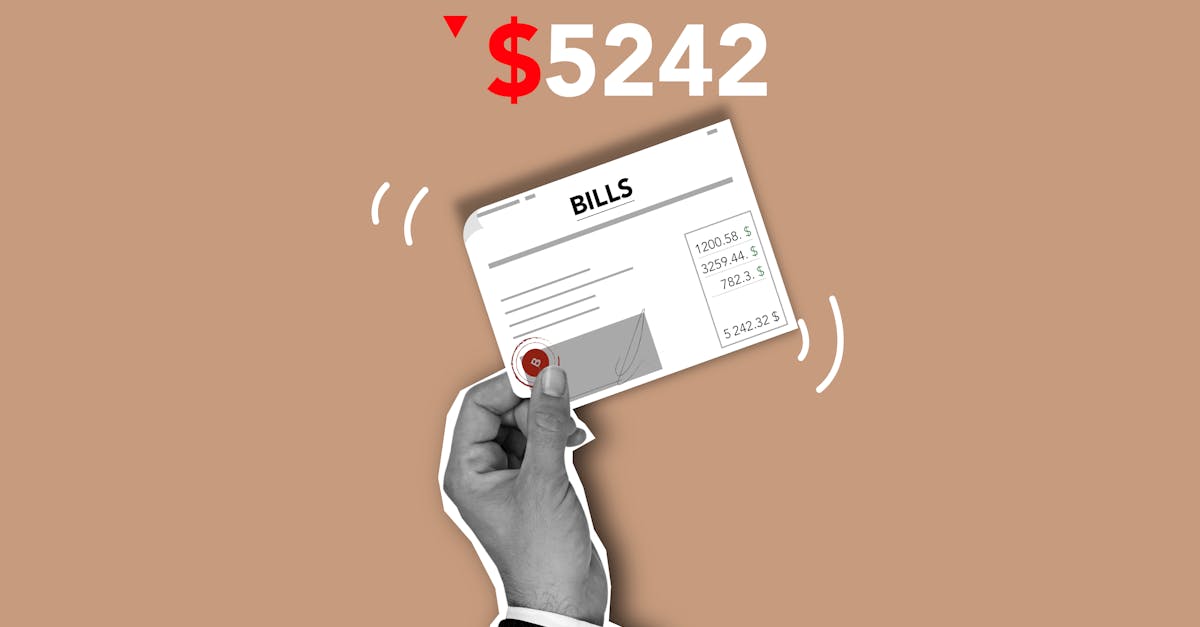
The Silent Drain: Why Subscription Fatigue Is Costing You Thousands (And How to Get Your Money Back)
Subscription fatigue is silently draining your budget. Discover the hidden costs and a step-by-step system to reclaim your finances.
Why Most Salary Negotiations Fail (And The Proven Strategy That Actually Works to Get a Raise)
Most salary negotiations fall flat because people miss key preparation steps. Discover the proven strategy to get the raise you deserve.