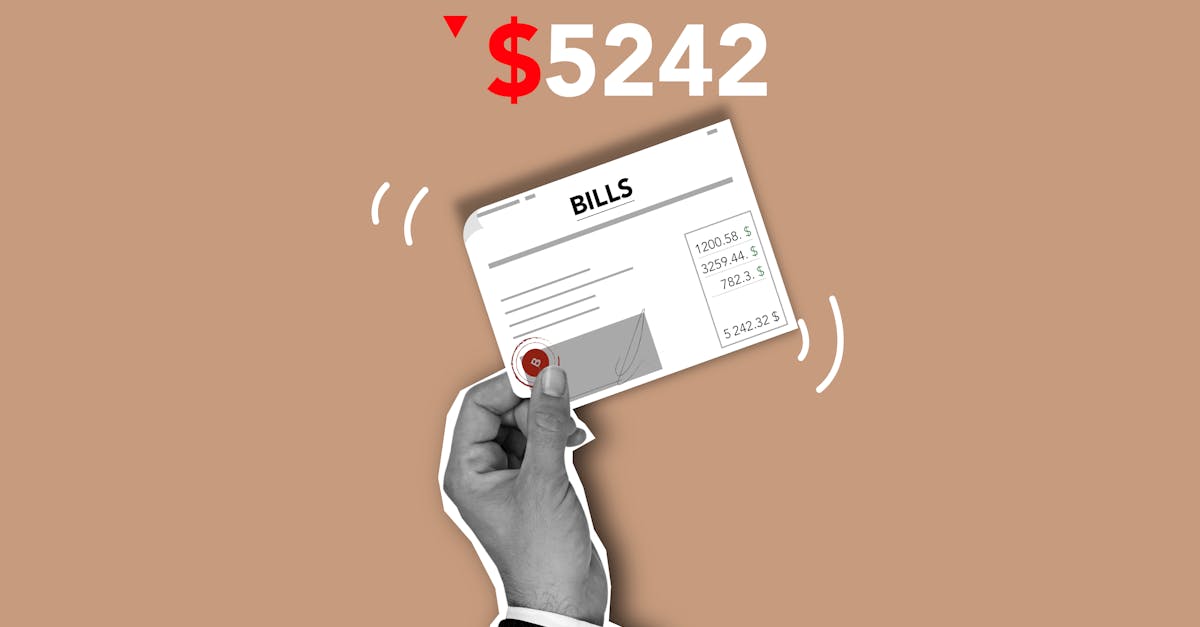
The Silent Drain: Why Subscription Fatigue Is Costing You Thousands (And How to Get Your Money Back)
You open your banking app, scroll through your recent transactions, and a familiar sense of dread washes over you. There’s Netflix, Spotify, that meditation app you used once, the meal kit you paused “temporarily” six months ago, and even that obscure cloud storage you vaguely remember signing up for after a free trial. Each one is a small, seemingly insignificant charge, but together, they form a hidden current pulling hundreds, if not thousands, of dollars from your account every year. You’re not alone. This is the insidious reality of subscription fatigue, and in my experience, it’s a silent budget killer that most people don’t even realize they’re suffering from until it’s too late.
We live in a subscription economy, designed for convenience and recurring revenue. What starts as a helpful service quickly snowballs into an unmanageable financial drain. The problem isn’t the individual $9.99 or $14.99 charge; it’s the sheer volume, the forgotten trials, the services you no longer use but never canceled, and the mental bandwidth required to keep track of it all. This isn’t about being cheap; it’s about being intentional with your hard-earned money and stopping the slow bleed that prevents you from reaching your bigger financial goals. What changed everything for me was realizing this wasn’t a problem of discipline, but a problem of system design. Once I implemented a robust system, I not only identified hundreds in wasted subscriptions but also gained a profound sense of control over my finances that had been missing.
Key Takeaways
- Subscription fatigue is a hidden drain on your finances, accumulating small charges into significant annual losses.
- The sheer volume of subscriptions, forgotten trials, and unused services creates a ‘silent tax’ on your budget.
- Manual tracking is insufficient; a dedicated system is essential to identify, evaluate, and manage all recurring charges.
- Implement a three-stage audit: discover, evaluate, and act to systematically reclaim your wasted subscription money.
- Leverage financial tools and calendar reminders to maintain vigilance and prevent future subscription creep.
The Illusion of ‘Small’ Charges: How the Micro-Costs Become Macro-Drains
In my early 30s, I considered myself pretty financially savvy. I had a budget, I invested, and I thought I knew where my money was going. Then, one month, I noticed my checking account balance was lower than it should have been, despite no major purchases. I decided to do a deep dive into my spending. What I uncovered was frankly embarrassing: I was paying for a premium fitness app I hadn’t opened in six months, a magazine subscription I never read, two different streaming services I barely used, and a software tool I’d signed up for a free trial and forgotten to cancel before it auto-renewed for an entire year. The individual charges were negligible – $12.99 here, $7.99 there. But when I added them up, it was over $200 a month, almost $2,500 a year, vanished into the ether. That’s a new laptop, a weekend getaway, or a significant chunk towards an emergency fund. This experience taught me that the biggest cost of subscription fatigue isn’t just the money; it’s the opportunity cost of what that money could have done for you.
The industry thrives on this. Companies make it incredibly easy to sign up, often with enticing free trials. They bank on your inertia, your forgetfulness, and the perceived insignificance of a small recurring fee. Canceling, on the other hand, can be a labyrinthine process – hidden buttons, customer service calls, and “are you sure?” prompts designed to wear down your resolve. This isn’t accidental; it’s a deliberate strategy to keep you on the hook. Think of it as a silent tax on your attention and your willpower. If you’re not actively fighting back, you’re losing.
Why Your Mental Checklist Fails: The Systemic Breakdown of Tracking Subscriptions
Many people, myself included, start with a mental checklist. “Okay, I have Netflix, Spotify, and my gym membership.” But that’s just the tip of the iceberg. The problem is that subscriptions aren’t static. New ones pop up with free trials, old ones get forgotten, and prices quietly increase. A mental checklist works for three, maybe five, recurring services. But what happens when you have ten, fifteen, or even twenty? The cognitive load becomes immense.
In my work with individuals struggling to gain financial control, I consistently find that the reason budgeting fails them isn’t usually a lack of income, but a lack of visibility into their outflow. Subscriptions are a prime culprit. They bypass the emotional friction of a large, one-time purchase. You don’t feel the $9.99 hit the same way you feel a $500 car repair. It’s a slow drip, a steady erosion, and your brain is simply not equipped to continuously track dozens of tiny, recurring transactions across multiple platforms and payment methods. You might pay for one streaming service with PayPal, another with a credit card, and a software subscription with a direct debit. This fragmented landscape is precisely what allows subscription creep to flourish, making a manual, ad-hoc approach utterly ineffective.
The Three-Stage Audit: Discover, Evaluate, Act
To truly reclaim your subscription budget, you need a systematic approach. I’ve developed a three-stage audit that has helped countless clients, including myself, slash unnecessary spending and gain clarity. This isn’t a one-time fix; it’s a process to be repeated periodically.
Stage 1: Discover Every Single Recurring Charge
This is the forensic accounting stage. You cannot cut what you don’t know exists. You need to gather every piece of financial data you have and meticulously go through it.
- Bank Statements: Download at least the last 12 months of statements for every checking account. Look for anything that recurs monthly, quarterly, or annually. Highlight them.
- Credit Card Statements: Do the same for all credit cards. Many subscriptions are linked to credit cards for convenience.
- PayPal/Venmo/Other Payment Processors: Log into these accounts and review your recurring payments. Often, these are forgotten conduits for online subscriptions.
- App Store Subscriptions (Apple/Google Play): Go directly to your phone’s settings. Both Apple and Google Play stores have dedicated sections to manage subscriptions. You might be surprised by what you find here.
- Email Search: Search your email for keywords like “subscription,” “renew,” “trial,” “membership,” “invoice,” “receipt,” and the names of popular services (Netflix, Adobe, Spotify, etc.). Many services send confirmation emails or renewal notices.
- Website Logins: Think about any websites you’ve given payment information to, even for one-time purchases. Sometimes, a checkbox for a recurring service is easily missed.
As you find each recurring charge, list it in a spreadsheet. Include: Service Name, Monthly/Annual Cost, Renewal Date, Payment Method, and a column for “Keep/Cancel/Evaluate.” Don’t make any decisions yet; just gather the data.
Stage 2: Evaluate Each Subscription Honestly
Once you have your comprehensive list, it’s time for ruthless honesty. For each subscription, ask yourself these crucial questions:
- Do I actively use this service? Not “did I use it once?” or “might I use it someday?” but actively use it now. For streaming services, how many hours per week? For apps, how many times per day/week?
- What is the true value it provides? Is it saving me significant time? Is it genuinely enhancing my life or work? Is it a luxury I truly savor?
- Is there a free or cheaper alternative? Can I get similar content on a free ad-supported tier? Can I use a free version of a productivity tool?
- Could I share the cost? For family plans, am I utilizing all available slots or could I split it with someone?
- When was the last time I used it? If you can’t remember, that’s a strong indicator.
- Do I have overlapping services? Do you need three different news subscriptions? Two different meditation apps?
As you evaluate, mark each item on your spreadsheet: “Keep” (truly essential and valued), “Cancel” (no longer needed, forgotten, or low value), or “Evaluate Further” (on the fence, needs more thought).
Stage 3: Act Decisively and Track Your Savings
This is where you execute. For every item marked “Cancel” or “Evaluate Further”:
- Cancel Immediately: Don’t delay. Go to the service’s website or app and follow the cancellation steps. If it’s difficult, Google “how to cancel [Service Name]”. If they offer a lower tier, consider that before fully canceling.
- Record the Savings: As you cancel, update your spreadsheet. Tally up the total monthly and annual savings. Seeing this number grow is incredibly motivating.
- Renegotiate (Optional but Powerful): For services you value but find too expensive, sometimes a call to customer service can lead to a lower rate, especially if you’re threatening to cancel. I once saved $30/month on internet just by asking.
- Use Virtual Cards for Trials: For future free trials, consider using virtual credit card numbers (many banks offer this) with a low limit or a set expiration date. This prevents accidental auto-renewals.
Repeat this entire audit quarterly or at least semi-annually. It’s an ongoing battle against the forces of subscription creep.
The Overlooked Power of Proactive Management: Preventing Future Creep
Cutting existing subscriptions is a huge win, but the real victory lies in preventing future creep. This requires a shift from reactive to proactive management.
- Dedicated Subscription Credit Card: Consider having one specific credit card (or a dedicated virtual card) that you only use for recurring subscriptions. This makes it incredibly easy to track all charges in one place. If you ever need to cut everything quickly, you can just freeze or cancel that card.
- Calendar Reminders for Trials: This is non-negotiable. Anytime you sign up for a free trial, immediately put a reminder in your calendar for 2-3 days before the trial ends. Title it clearly: “CANCEL [Service Name] TRIAL.” This gives you ample time to decide if you want to keep it or cancel before being charged.
- Annual Review Schedule: Set a recurring calendar event for your comprehensive subscription audit. Choose a date that works for you – perhaps the first weekend of a new quarter, or when a specific recurring bill hits. Make it a non-negotiable financial habit.
- Utilize Financial Aggregator Apps: Services like Mint, YNAB, or even specialized subscription trackers (like Truebill or Rocket Money) can automatically identify recurring charges for you. While I advocate for the manual audit first for true depth, these tools can be excellent for ongoing monitoring.
- The 30-Day Rule for New Subscriptions: Before signing up for any new subscription (beyond a free trial), commit to a 30-day waiting period. If you still genuinely need and want it after a month, then proceed. This eliminates impulse sign-ups.
- Question Every “Upgrade”: Companies love to entice you with upgrade offers. Always apply the same rigorous evaluation questions from Stage 2. Is the additional value truly worth the increased cost? In my experience, most often, it’s not.
Adopting these proactive measures is like building a strong immune system for your budget. It protects you from the constant barrage of enticing offers and the quiet erosion of your financial resources. It’s about empowering yourself to make conscious choices, rather than passively allowing companies to dictate your spending.
The Psychological Dividend: Beyond the Dollar Savings
While the financial savings are substantial, there’s a profound psychological benefit to conquering subscription fatigue that often goes unmentioned. It’s the feeling of control, the reduction of ambient financial anxiety, and the mental clarity that comes from knowing exactly where your money is going.
Before I implemented my system, I had this low-level hum of worry about hidden charges. Every time I saw a small, unfamiliar transaction on my statement, a tiny spike of stress would hit. Was it a legitimate service? Did I forget something? After my first audit, that feeling largely vanished. I became an active participant in my financial life, not a passive observer.
This isn’t just about cutting costs; it’s about reallocating your resources to things that genuinely matter to you. That $200 a month I was wasting? Now, a portion of it goes into my investment account, accelerating my financial independence. Another portion goes towards experiences I value, like a monthly pottery class or higher-quality groceries. The money isn’t just saved; it’s redeployed with intention. This intentionality is the true psychological dividend – a feeling of empowerment that extends far beyond your bank balance, impacting your overall sense of well-being and productivity.
Frequently Asked Questions
Q: What’s the biggest mistake people make when trying to reduce subscriptions?
A: The biggest mistake is relying on memory or a superficial glance at bank statements. The sheer volume and fragmentation of subscriptions across different payment methods mean you almost certainly miss charges. A thorough, systematic audit of all financial accounts and emails is crucial.
Q: How often should I perform a subscription audit?
A: I recommend a comprehensive audit at least once every quarter, or semi-annually at a minimum. New subscriptions inevitably creep in, and services you once valued might lose their utility. Setting a recurring calendar reminder for this task is highly effective.
Q: Can financial apps help me track subscriptions?
A: Yes, apps like Mint, YNAB, Truebill, or Rocket Money can be very helpful for identifying recurring charges and even helping to cancel them. However, I still recommend a manual deep dive first, as these apps can sometimes miss obscure or one-off annual charges. They are excellent for ongoing monitoring after your initial audit.
Q: What if a company makes it really hard to cancel a subscription?
A: This is a common tactic. First, try to find a direct cancellation link or process within your account settings. If that fails, search online for specific instructions like “how to cancel [Service Name]”. If all else fails, contact their customer service directly. As a last resort, you can contact your bank or credit card company to dispute the charge and block future payments, but this should be a final step after exhausting other options.
Q: Should I cancel all my subscriptions to save money?
A: Not necessarily. The goal isn’t to live without convenience or entertainment, but to be intentional about your spending. Keep the subscriptions that provide genuine value, that you actively use, and that truly enhance your life. Eliminate the forgotten, the unused, and the redundant. It’s about optimizing, not deprivation.
Conquering subscription fatigue is more than just a financial exercise; it’s a declaration of financial independence. By actively managing your recurring expenses, you’re not just saving money; you’re reclaiming control over your financial narrative and redirecting your resources towards a future you’re consciously building. Start your audit today. You’ll be amazed at what you discover, and even more so at the peace of mind it brings.
Written by Sofia Rodriguez
Wellness and financial literacy
A seasoned community organizer passionate about sustainable living and effective communication.
You Might Also Like

Why Your Car's Value Drops Like a Stone (And The Strategic Moves to Protect Your Investment)
Uncover the hidden reasons your car depreciates so quickly and learn actionable strategies to protect its value over time.
Why Most Salary Negotiations Fail (And The Proven Strategy That Actually Works to Get a Raise)
Most salary negotiations fall flat because people miss key preparation steps. Discover the proven strategy to get the raise you deserve.

Why the 'One-Size-Fits-All' Retirement Plan Fails Most People (And What Actually Works for Real Security)
Discover why generic retirement advice often falls short and learn how to build a personalized strategy for genuine financial security in retirement.